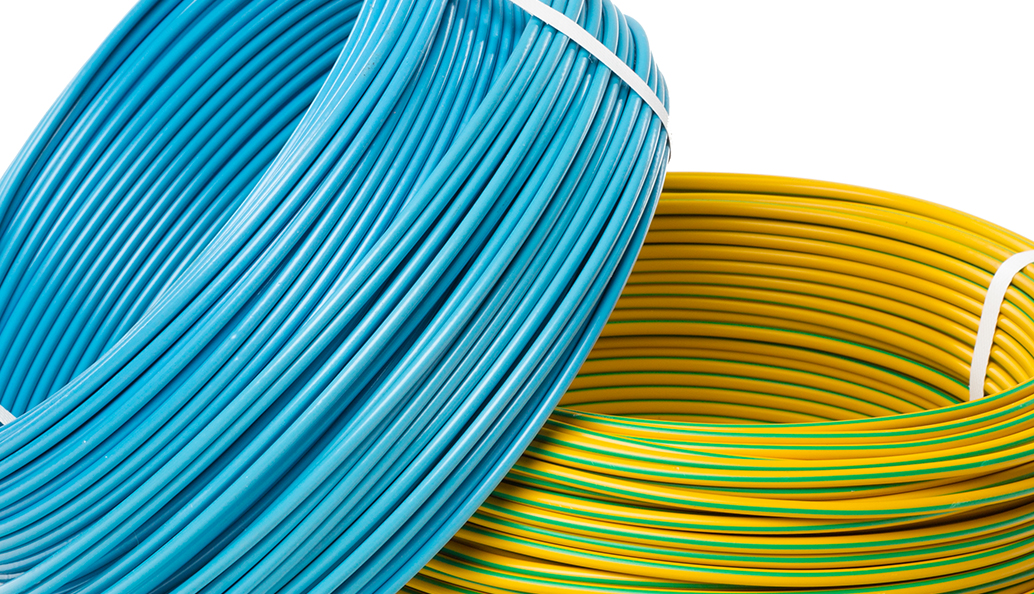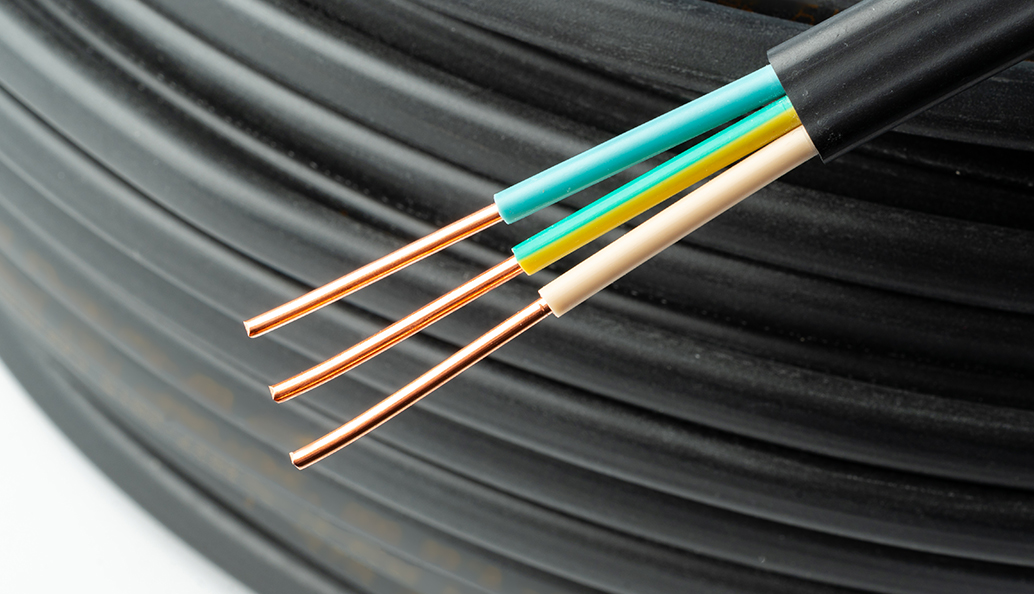
Selecting the right wire and cable isn’t just about picking a size off a shelf. It’s a technical decision that affects performance, reliability, safety, and long-term cost. Whether you’re specifying cables for industrial automation, construction, power distribution, or custom assemblies, understanding the core factors of cable selection will help you get it right — the first time.
Know Your Environment
Wiring specs begin with the environment. Where will the cable live?
- Indoor vs. Outdoor: Outdoor installations need UV resistance and protection against weather and temperature swings.
- Wet or corrosive environments: Marine-grade or oil- and chemical-resistant jackets may be required.
- High-temperature zones: Thermally rated insulation prevents premature failure.
Cable that is not rated for its environment will degrade fast, leading to failures, downtime, and costly rework.
Understand Electrical Requirements
The electrical characteristics of your system define the base requirements.
- Voltage rating: Always choose a cable with a voltage rating above your system’s maximum. Underrated cable risks insulation breakdown and hazards.
- Current capacity: Gauge and conductor size must support the expected amperage without overheating. Consult NEC tables and derating factors.
- Phase and shielding: Three-phase systems, shielded vs. unshielded, and ground paths all influence cable choice.
Mechanical Needs Matter
Beyond electricity, cables face mechanical stress.
- Movement or flexing: For robotic or motorized systems, use flex-rated cable that withstands repeated bending without conductor breakage.
- Abrasion: Protective jackets, braided armor, or conduit might be necessary in high-wear areas.
- Installation constraints: If the cable must snake through tight spaces, more flexible constructions ease installation.
Signal Clarity and EMI
In control systems or data networks, interference can ruin performance.
- Shielding: Cable with foil or braid shields protects signals from external interference.
- Twisting: Twisted pairs reduce crosstalk and improve noise immunity.
If your application involves sensitive sensors, PLC communications, or data networks, these characteristics can make or break system reliability.
Specialty Requirements
Some projects have unique demands:
- Custom labeling: Prints on the jacket help with identification and maintenance.
- Bundling and assemblies: Pre-assembled harnesses save time and reduce field error.
- Compliance standards: UL, CSA, RoHS, or ISO specs might be required for safety or contract compliance.
Partner with Expertise
The ideal cable choice combines environmental, electrical, mechanical, and compliance needs. This is where experienced suppliers — like Custom Cable — add value. We help you balance performance with cost, avoid common mistakes, and deliver solutions that fit your exact requirements.
Choosing wire and cable isn’t simple, but it doesn’t have to be stressful. When you start with clarity on your system’s needs, and partner with the right supplier, you get a cable solution that works — reliably and safely — year after year.