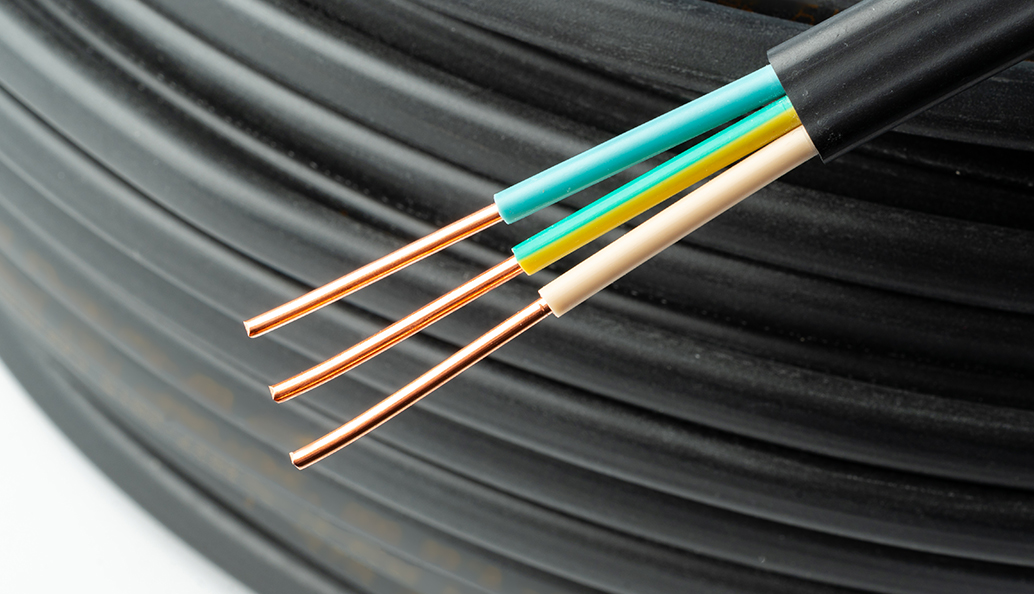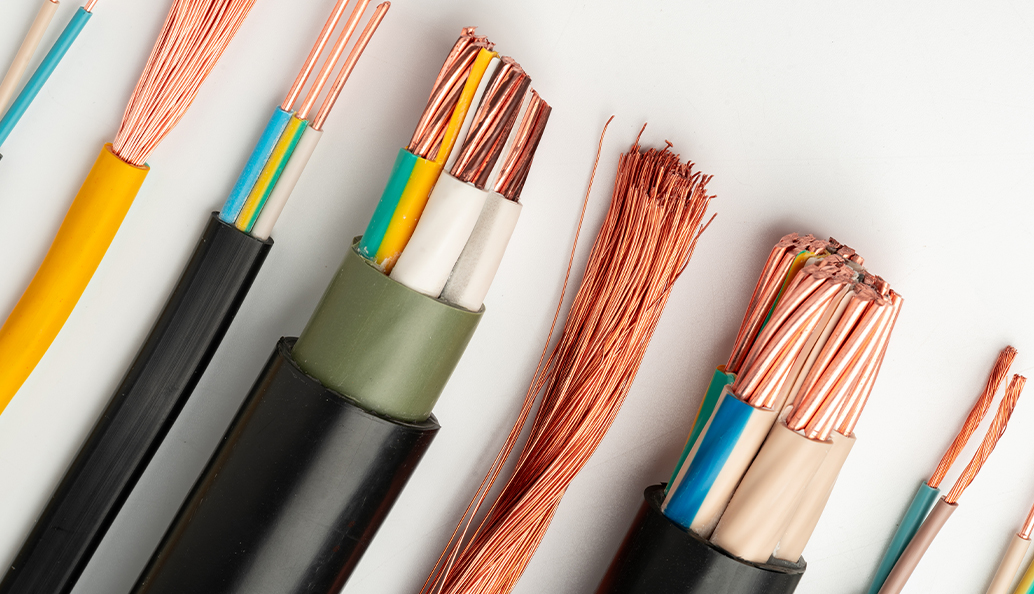
When people think of wire and cable, they often focus on conductor size or price. What too many overlook is the jacket and insulation — the outer materials that protect the cable from everything around it.
These materials aren’t decorative. They protect the cable from heat, chemicals, moisture, abrasion, and even fire. Choosing the wrong jacket or insulation is like putting summer tires on a snowstorm road — it might work for a bit, but it’s a ticking failure.
What Jacket Materials Do
The cable jacket is the outermost layer. Its job is to fight everything the environment throws at the cable.
1. Mechanical Protection
In industrial locations, cables rub against surfaces, get pulled through trays, and may be exposed to impact. A tough jacket like PVC or polyurethane helps resist cuts and abrasion.
2. Environmental Defense
Humidity, oil, chemicals, and UV light can degrade cable jackets. Specialty compounds keep the jacket intact and prevent premature failure.
3. Safety and Compliance
Many projects require flame retardancy or low smoke zero halogen (LSZH) for safety in enclosed spaces like tunnels and buildings.
Insulation and Electrical Performance
Insulation sits between the conductor and the jacket. Its job is to:
- Keep the current inside the conductor
- Prevent shorts between wires
- Support dielectric performance
Different insulation materials offer different strengths:
- PVC: good general-purpose choice
- XLPE: high temperature, good electrical properties
- Teflon (PTFE): high temp and chemical resistance
- Rubber compounds: flexibility and vibration resistance
The right insulation affects:
- Maximum temperature rating
- Flexibility
- Longevity
- Noise and signal interference
Match Materials to Application
Here are a few real examples:
High Heat Zones
Insulation that withstands 90°C to 200°C or more is necessary in motor housings, ovens, or power electronics cabinets.
Oil and Chemicals
Rubber or polyurethane jackets stand up to oil, fuel, and hydraulic fluids that would eat away weaker materials.
Outdoor and UV Exposure
Sunlight breaks down many plastics. UV-resistant jackets prevent cracking and embrittlement.
Safety-Sensitive Areas
LSZH jackets are required in enclosed public spaces where smoke toxicity is a concern.
The Cost of Getting It Wrong
Using the wrong jacket or insulation can lead to:
- Premature failure
- Frequent maintenance
- Safety risks
- System downtime
- Costly replacements
Why Expertise Matters
Choosing material isn’t guesswork. It’s a combination of:
- Understanding the environment
- Knowing the electrical demands
- Expecting mechanical stress
- Planning for compliance
An experienced cable supplier can take all those variables and guide you to the right combination of jacket and insulation for your application.