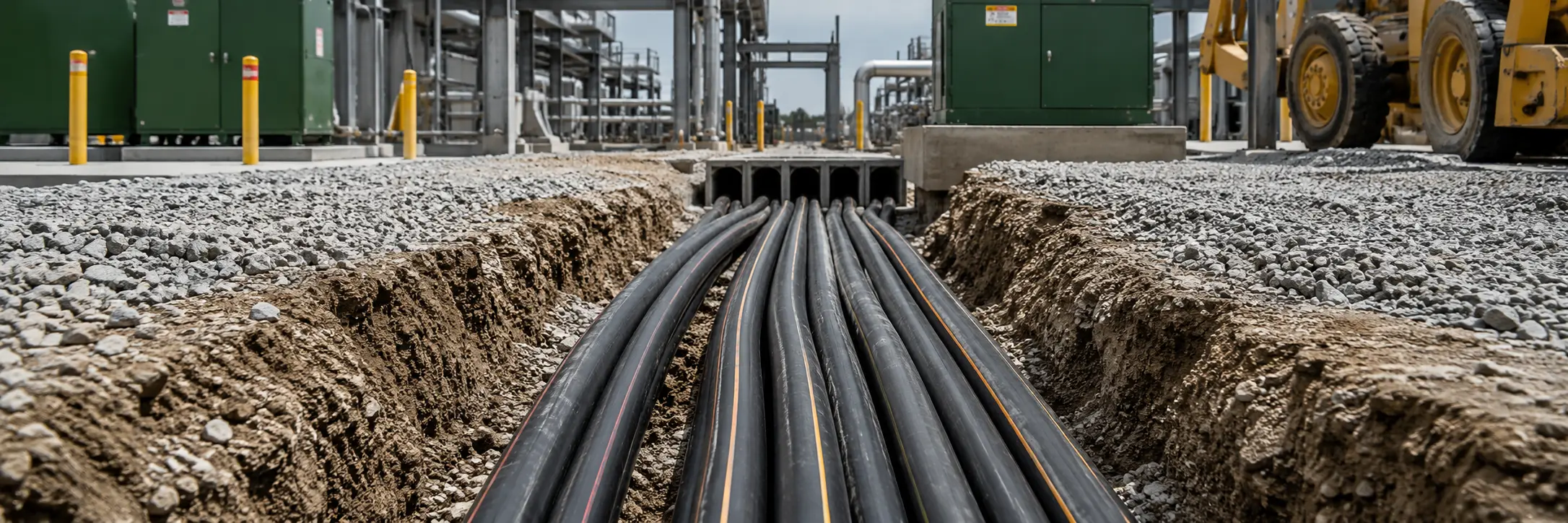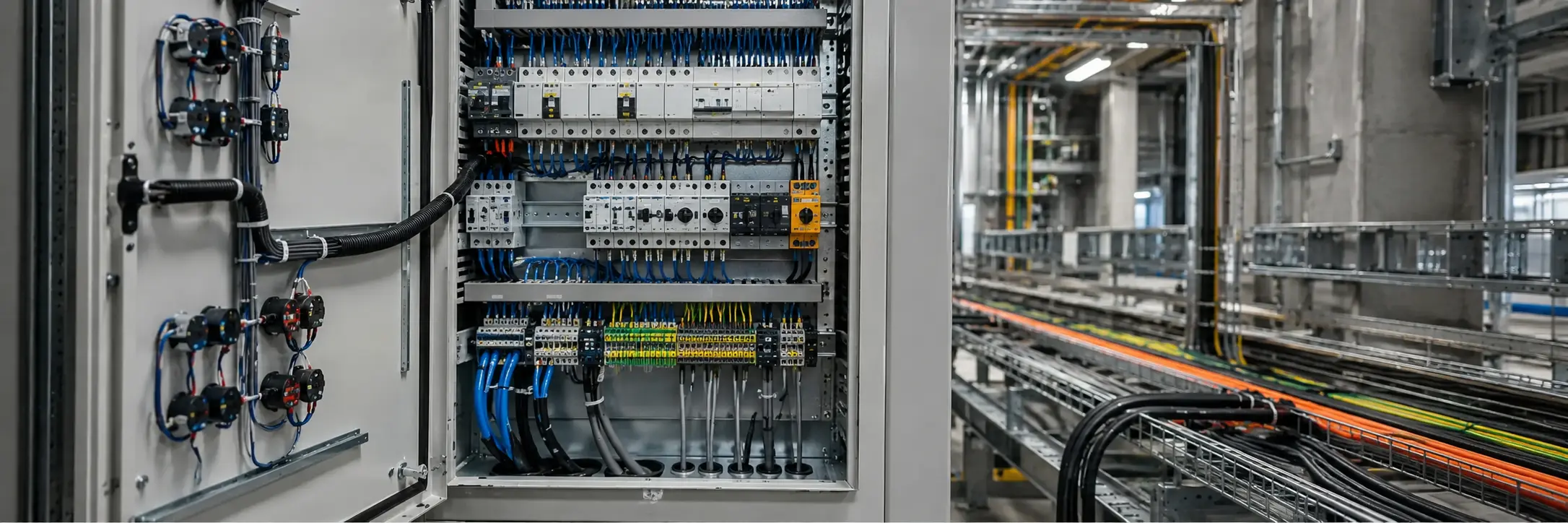
Electrical wiring mistakes can lead to costly delays, safety hazards, and code violations on construction and industrial job sites. Understanding these common pitfalls and partnering with an experienced wire and cable supplier can make the difference between a successful project and a problematic installation. Here are the ten most frequent wiring mistakes contractors encounter and how working with the right cable distributor helps prevent them.
1. Using Incorrect Wire Gauge for the Application
One of the most dangerous mistakes is selecting wire that’s too small for the electrical load. This can cause overheating, voltage drops, and potential fire hazards.
How Suppliers Help: Professional wire and cable suppliers provide load calculation assistance and wire sizing charts. They can recommend the proper gauge based on your specific amperage requirements, distance, and installation conditions.
2. Poor Cable Management and Organization
Disorganized wiring creates maintenance nightmares and increases the risk of accidental damage during future work.
How Suppliers Help: Quality suppliers offer cable management solutions including cable trays, conduits, and labeling systems. They can suggest organizational best practices based on industry standards and local electrical codes.
3. Inadequate Protection from Environmental Factors
Failing to account for moisture, temperature extremes, chemicals, or UV exposure can cause premature cable failure.
How Suppliers Help: Experienced distributors stock specialized cables for harsh environments, including XLPE insulated wire, chemical-resistant jackets, and UV-stable outdoor rated cables. They help specify the right protection level for each application.
4. Improper Bend Radius During Installation
Exceeding manufacturer bend radius specifications can damage internal conductors and compromise long-term performance.
How Suppliers Help: Reputable suppliers provide detailed installation guidelines and bend radius specifications for every cable type. Many offer on-site training to ensure proper cable installation best practices.
5. Mixing Incompatible Cable Types
Using different cable types or manufacturers within the same circuit can create performance issues and code violations.
How Suppliers Help: Professional distributors ensure compatibility by sourcing cables that meet the same specifications and standards. They maintain detailed technical data sheets to verify compatibility across product lines.
6. Insufficient Strain Relief at Connection Points
Inadequate strain relief puts mechanical stress on connections, leading to loose connections and potential arcing.
How Suppliers Help: Quality suppliers stock appropriate strain relief devices and can recommend proper installation techniques. They often provide technical support to ensure connections meet electrical code requirements.
7. Ignoring Local Electrical Codes and Standards
Code violations can result in failed inspections, costly rework, and safety hazards.
How Suppliers Help: Knowledgeable wire and cable suppliers stay current with NEC updates and local code requirements. They can verify that specified products meet or exceed applicable standards for your project location.
8. Inadequate Testing and Documentation
Skipping proper testing procedures or failing to document installations creates problems during commissioning and future maintenance.
How Suppliers Help: Professional suppliers often provide testing equipment recommendations and can suggest documentation best practices. Some offer commissioning support services to ensure proper system startup.
9. Poor Splice and Termination Techniques
Improper splicing and terminations are leading causes of electrical failures in commercial and industrial installations.
How Suppliers Help: Experienced distributors stock high-quality connectors, splice kits, and termination hardware. They provide technical training on proper installation techniques and can recommend certified installation contractors.
10. Inadequate Planning for Future Expansion
Failing to plan for future electrical needs often requires costly retrofits and system modifications.
How Suppliers Help: Forward-thinking suppliers help plan electrical infrastructure with growth in mind. They can suggest oversized conduits, spare circuits, and modular systems that accommodate future expansion efficiently.
The Value of Partnership with Professional Wire and Cable Suppliers
Working with an experienced electrical distributor goes beyond simply purchasing products. The right supplier becomes a technical partner who:
• Provides pre-installation planning support
• Offers product training and technical documentation
• Ensures code compliance and proper specifications
• Stocks emergency replacement inventory
• Delivers just-in-time to minimize storage costs
• Provides ongoing technical support throughout the project
Preventing wiring mistakes starts with proper planning, quality products, and expert guidance. By partnering with a professional wire and cable supplier who understands both products and applications, contractors can avoid costly errors while ensuring safe, reliable electrical installations that meet code requirements and perform reliably for years to come.
Frequently Asked Questions
Poor connections and inadequate strain relief account for approximately 40% of electrical failures. Using proper connectors and following manufacturer torque specifications significantly reduces these issues.
Wire gauge depends on the amperage load, circuit length, voltage drop requirements, and ambient temperature. Consult NEC tables or work with a qualified electrical supplier who can perform load calculations for your specific application.
Undersized wire can cause voltage drops, overheating, breaker trips, equipment damage, and fire hazards. It also violates electrical codes and can result in failed inspections.
Work with suppliers familiar with local code requirements, use only listed and approved products, follow NEC guidelines, and have installations inspected by qualified electrical inspectors.
Key factors include temperature extremes, moisture exposure, chemical resistance needs, UV exposure, abrasion resistance, and flexibility requirements. Match cable specifications to environmental conditions.
Initial inspection should occur before energizing, followed by periodic maintenance inspections as recommended by equipment manufacturers and local codes, typically annually for commercial installations.
Required documentation typically includes as-built drawings, test reports, material certifications, inspection records, and equipment manuals. Specific requirements vary by jurisdiction and project type.
Yes, provided all products meet the same specifications and standards. However, mixing different cable types or ratings within the same circuit should be avoided to ensure compatibility and code compliance.