On a busy job site, cable usually is not the loudest problem. It is not the crane, the crew schedule, the weather, or the inspection deadline. It is usually sitting on a pallet, coiled up, waiting to be pulled, buried, hung, connected, or routed through a building. It looks simple enough. Until it is not the right cable.
That is when one wrong assumption can slow down an entire project. The crew is ready. The equipment is waiting. The timeline is tight. Then someone realizes the cable does not match the installation environment, the voltage requirement, the jacket specification, the burial condition, the tray rating, or the project documents. Now the job is not moving forward. Everyone is waiting on a replacement, a clarification, or an approval.
For contractors, purchasing teams, engineers, facilities managers, and industrial buyers, choosing the right wire and cable is not just a product decision. It is a project continuity decision.
Why Cable Mistakes Create Bigger Problems Than Buyers Expect
Wire and cable are easy to underestimate because they are often ordered late in the process. A spec is handed off. A part number is requested. A buyer looks for availability. A purchasing decision is made. But cable selection affects more than cost.
It can affect installation time, compliance, equipment performance, service life, safety, and whether the project can move past inspection. A cable that looks close on paper may not be close enough in the field.
A direct burial cable is not automatically right for every underground application. A flexible cord is not the same as a heavy-duty portable cord. A wire used inside equipment may not belong in conduit, tray, or an outdoor exposed environment. The problem usually starts with one small shortcut: choosing by category name alone.
The Most Common Cable Mistake: Matching the Name, Not the Application
Many cable problems happen because the buyer searches for a familiar term and assumes every product under that label works the same way. That is rarely true.
The same applies to MC cable. Type MC constructions can vary by voltage rating, conductor material, grounding method, shielding, insulation and armor, so selecting MC cable by name alone is not enough. The specific construction still needs to match the electrical and installation requirements of the project.
For example, “building wire” can describe several products, including THHN, THW, XHHW-2, USE-2, RHW-2, RHH, and service entrance cable. These wires are not interchangeable in every installation. Wet location ratings, insulation type, voltage rating, and installation method all matter.
The same issue happens with direct burial cable. A buyer may know the cable needs to go underground, but that is only the beginning. Is it for power, communication, audio, service entrance, control, or another use? Will it be installed in conduit or directly in the earth? Is moisture exposure expected? What voltage and temperature ratings are required? The name gets you into the right neighborhood. The application determines the actual product.
The Hidden Delay: When the Wrong Cable Arrives On Site
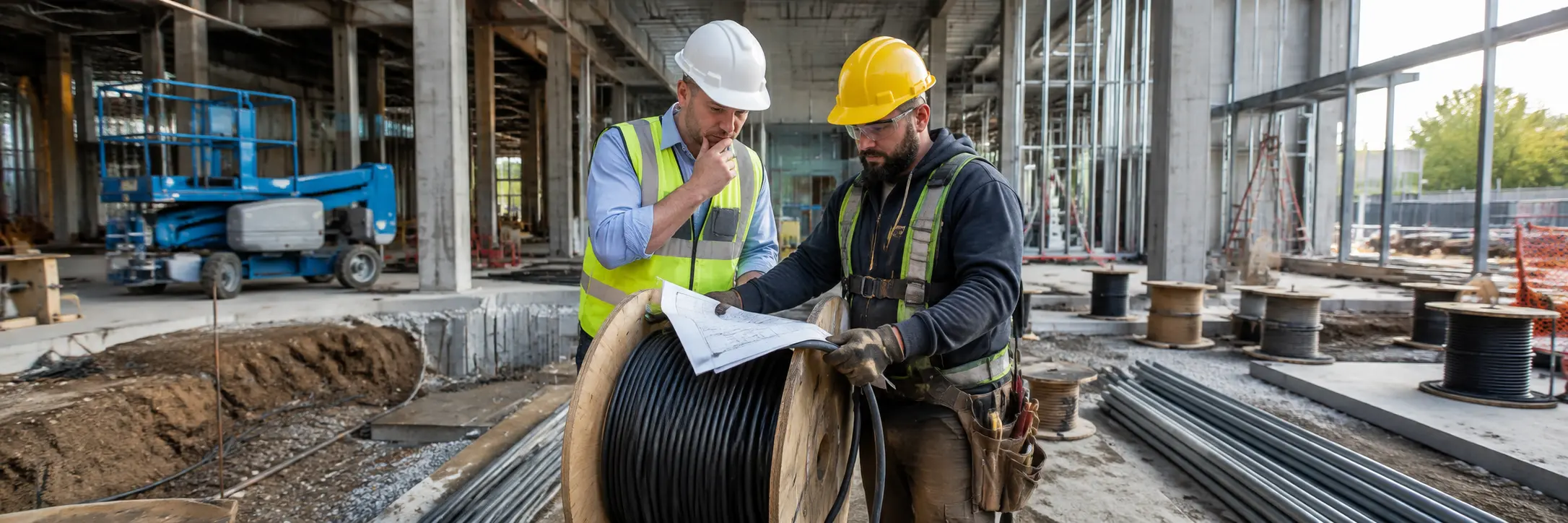
A wrong cable order does not always look wrong immediately. Sometimes the issue is caught when the reel arrives. Sometimes it is caught during installation. Sometimes it is caught by an electrician, inspector, engineer, or maintenance lead after time has already been lost. That delay can create a chain reaction.
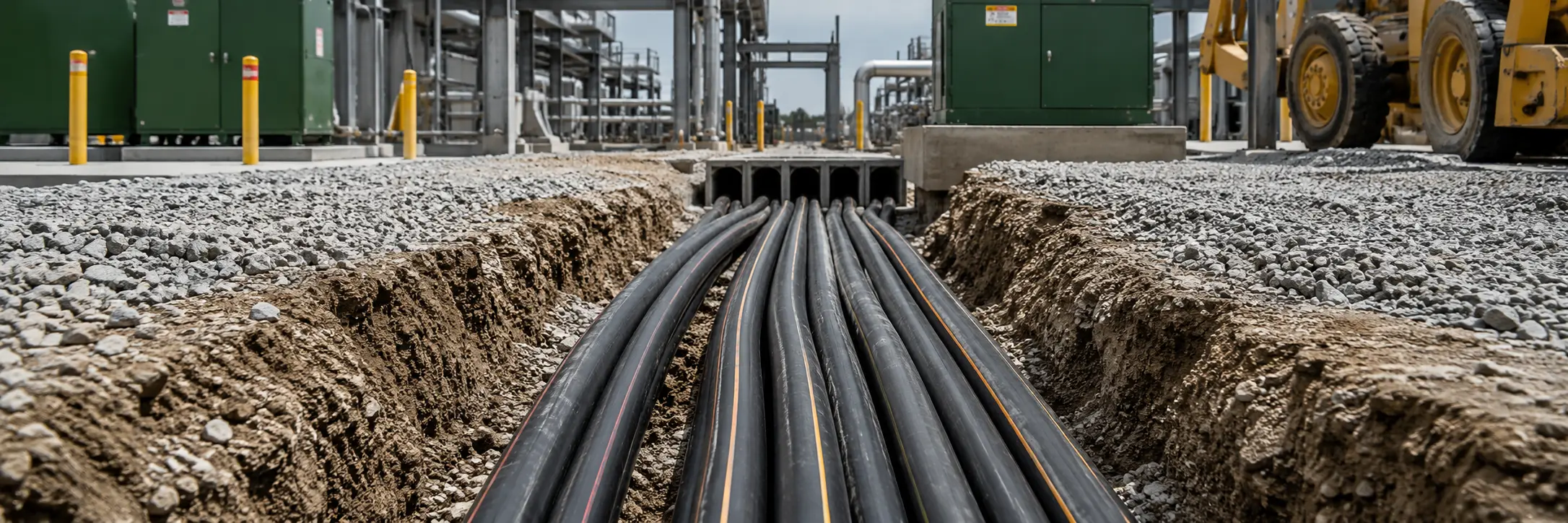
A crew may need to be rescheduled. A trench may sit open. A panel may remain incomplete. Equipment may be ready to connect, but not usable. A deadline that looked comfortable suddenly becomes tight.
Even worse, a wrong cable can create pressure to “make it work.” That is where risk increases. Cable should not be selected based on what is convenient at the moment. It should match the environment, electrical requirements, code considerations, and project specifications.
Installation Environment Should Drive the Cable Choice
One of the best ways to avoid mistakes is to start with the environment, not the part number. Where will the cable actually live?
A cable installed underground faces different conditions than one pulled through conduit inside a building. Cable used in cable tray may need a different rating than cable used for portable power. Cable used inside industrial equipment may need flexibility, heat resistance, oil resistance, or a specific insulation material.
Outdoor and exposed applications may require weather resistance. Underground applications may require direct burial suitability. Industrial environments may involve abrasion, oil, heat, moisture, vibration, or movement. Communication and control applications may require shielding to help reduce interference. The more demanding the environment, the less room there is for guesswork.
Building Wire Is a Good Example of Why Details Matter
Building wire is one of the clearest examples of why product selection needs more than a broad category match.
THHN may be appropriate for many general-purpose wiring applications in conduit or recognized raceways. XHHW-2 is commonly used where wet or dry location ratings and cross-linked polyethylene insulation are required. USE-2, RHW-2, and RHH options may be selected for service entrance, feeder, power, and direct burial applications when the construction and ratings fit the job.
These details matter because the wrong wire can create problems with installation, approval, or long-term performance. A buyer may not need to memorize every rating. But the buyer does need to know when to ask better questions before placing the order.
Direct Burial Cable Requires Extra Care
Direct burial cable is another area where mistakes can get expensive fast. Once cable is underground, access becomes harder. A poor product choice may not be easy to correct after installation. That makes the planning stage especially important.
Direct burial cable should be selected based on what the cable will carry, the burial conditions, voltage rating, jacket or insulation construction, moisture exposure, and applicable project requirements.
Audio and communication cable used underground is not the same as direct burial building wire. Power cable, service entrance cable, and low-voltage communication cable each have different requirements. The installation may look similar from above ground, but the cable needs can be very different below the surface.
When Availability Creates Risk
Every buyer knows the pressure of needing material quickly. A supplier has one cable available now. Another product has a lead time. The crew is scheduled. The customer wants the job finished. It becomes tempting to accept a near match. That can be risky.
Availability matters, but suitability matters more. A product that ships quickly but fails the application does not save time. It creates another delay later.
The better approach is to confirm the essential requirements before searching for alternatives. In many cases, a knowledgeable cable supplier can help identify acceptable options without compromising the installation.
What to Confirm Before Ordering Wire or Cable
Before placing an order, it helps to confirm a few core details. These questions can prevent many job site delays:
- What is the application and installation environment?
- What voltage, temperature, and rating requirements apply?
- Will the cable be indoors, outdoors, underground, exposed, in conduit, or in cable tray?
- Are there project specifications, UL requirements, or code considerations?
- Are flexibility, shielding, oil resistance, moisture resistance, or abrasion resistance important?
These are simple questions, but they shift the conversation from “Do you have this cable?” to “Is this the right cable for the job?” That is the difference between filling an order and protecting a project schedule.
The Right Supplier Helps Prevent the Wrong Order
Cable selection is not always straightforward. Many product categories overlap. Some products have similar names but different ratings. Some applications require a cable that can handle more than one environmental challenge. That is where sourcing support matters.
Custom Cable Corp. helps customers identify wire and cable options based on application, construction, conductor type, insulation, jacket material, voltage rating, temperature rating, installation method, and project requirements. Whether the job calls for building wire, direct burial cable, control cable, portable cord, power cable, or a more specialized product, getting the details right up front can prevent bigger issues later. Because the most expensive cable mistake is not always the cost of the cable.
Sometimes it is the lost time, stalled crew, delayed inspection, missed deadline, or equipment that cannot be connected when everyone expected the job to move forward.
It helps to know the application, voltage rating, conductor size, number of conductors, installation environment, required approvals, and whether the cable will face moisture, heat, oil, abrasion, movement, or outdoor exposure.
Not necessarily. Cable size is only one part of the selection. Insulation type, jacket material, voltage rating, temperature rating, approvals, flexibility, shielding, and installation environment can all affect whether a substitute is acceptable.
Some wire and cable products are manufactured to meet more than one rating or application standard. This can make them useful in different installation conditions, but the final choice still needs to match the project requirements.
Cable can fail when it is exposed to conditions it was not designed to handle, such as excessive heat, moisture, oil, chemicals, abrasion, vibration, sunlight, or repeated movement. Selecting the right insulation and jacket construction helps reduce that risk.
Yes. A cable supplier can often help review the required application, ratings, and construction details to identify potential alternatives. Any substitution should be checked against the project specifications and approval requirements before ordering.