Cable Solutions for Industrial Manufacturing
Cables built for machines, controls, and automation where performance and durability matter.
Custom Cable Corp. supplies wire and cable for industrial manufacturing environments where machinery, controls, automation, and production systems depend on reliable electrical connections. We help manufacturers, OEMs, equipment builders, engineers, and procurement teams source cable for machine wiring, automated production equipment, control systems, material handling, instrumentation, motors, and other demanding industrial applications.
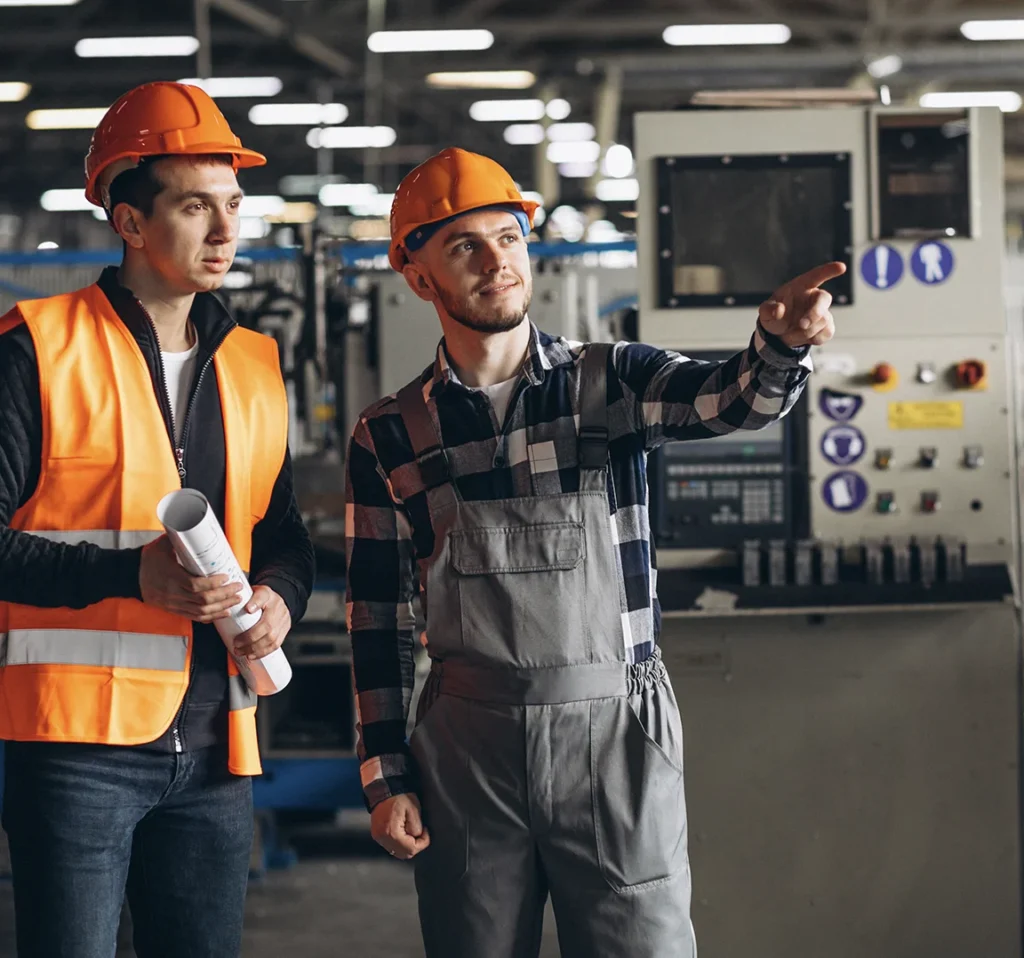
Cable Requirements for Industrial Manufacturing
Manufacturing equipment can place very different demands on wire and cable depending on how the system operates. Cable selection may involve voltage rating, conductor size and count, shielding, flexibility, temperature range, insulation and jacket materials, resistance to oils or moisture, and whether the cable will be installed in trays, conduit, raceways, panels, machinery, or moving equipment.
Automation adds another layer of consideration. Motors, drives, sensors, controllers, and other electrical equipment can operate close together, making proper cable construction especially important for reliable control and signal circuits.
For manufacturers and equipment builders, providing details such as the application, voltage, conductor requirements, shielding needs, operating environment, movement or flexing requirements, and required approvals can help identify suitable cable options faster.
Common Industrial Manufacturing Applications
Automated Production Lines
Wire and cable for automated machinery, control panels, sensors, motors, production equipment, and interconnected manufacturing systems.

Machine Tools and Equipment
Cable used to supply power, controls, signals, and electrical connections for manufacturing machinery and production equipment.
Material Handling Systems
Flexible and industrial cable for conveyors, cranes, hoists, festoon systems, cable reels, transfer equipment, and other material handling applications.
Process Control and Monitoring
Instrumentation and control cable for sensors, monitoring equipment, process controls, measurement systems, and plant automation.
Cable Types Used in Industrial Manufacturing
Control Cable
Used for machinery, control panels, automation systems, conveyors, cranes, hoists, pendant stations, festoon systems, and other industrial control applications.
Instrumentation Cable
Designed for signal transmission between sensors, instruments, monitoring devices, controllers, and process automation equipment where dependable signal performance is important.
Power Cable
Supports power delivery to motors, machinery, panels, production equipment, feeders, and other electrical systems throughout manufacturing facilities.
Hook-Up Wire
Used for internal equipment wiring, control panels, electronic assemblies, appliances, machinery, and other applications requiring individual insulated conductors.
Why Work With Custom Cable Corp
Industrial operations depend on having the right cable available for both new equipment and ongoing production requirements. Custom Cable Corp. helps manufacturers and equipment suppliers identify wire and cable based on the electrical, mechanical, environmental, and installation requirements of the application.
- We help source cable for machinery, automation, controls, instrumentation, power, and material handling applications.
- We support applications where shielding, flexibility, temperature, jacket construction, and installation conditions matter.
- We help engineering and procurement teams compare cable specifications before requesting a quote.
- We offer a broad selection of industrial wire and cable products along with custom cable capabilities for specialized requirements.
Frequently Asked Questions
Can a machine upgrade require different cable even if the existing wiring still works?
Yes. Changes to motors, drives, sensors, operating speeds, electrical loads, or machine movement can change the cable requirements even when the existing cable has not failed.
An equipment upgrade can alter conditions the original wiring was never designed to handle. A higher-capacity motor may change electrical requirements, a new drive may introduce different electrical characteristics, added sensors may increase the number of control circuits, and faster machine movement may place more mechanical stress on certain cable runs. When production equipment is modified, the existing cable specification should be reviewed as part of the upgrade rather than automatically carried over from the previous design.
Can increasing production speed affect the cable used on automated equipment?
It can. Faster production may increase the number of times certain cables bend, travel, or move during each shift, which can make cable movement and service life more important.
A cable that performs adequately at one operating speed may experience significantly more mechanical cycles after production is accelerated. This is particularly important when wiring travels with a moving component rather than remaining stationary. Manufacturers increasing throughput should consider whether changes in machine speed, travel distance, cycle frequency, or operating hours alter the demands being placed on the cable.
Why should cable specifications be documented for each production machine?
Documented cable specifications make future maintenance, repairs, and equipment modifications easier by giving teams a reliable record of what was originally installed.
Years after equipment is commissioned, the person repairing it may not be the engineer or technician who selected the original cable. Recording manufacturer information, part numbers, conductor details, ratings, and the location or purpose of important cable runs can reduce guesswork when replacements are needed. Good documentation can also help maintenance and purchasing teams determine whether an existing specification is still appropriate when equipment is modified.
Can a cable that works in a prototype be unsuitable for full production equipment?
Yes. A prototype may not reproduce the operating hours, movement, loading, heat, or production cycles the finished machine will experience in everyday service.
Prototype wiring proves that a system can function, but it does not necessarily demonstrate how the cable will perform after thousands of operating cycles or continuous production. Before a machine moves into full-scale operation, designers may need to reconsider cable routing, mechanical movement, duty cycle, surrounding equipment, and other conditions that become more demanding in a production environment. This is especially important when prototype components were chosen primarily for availability or testing convenience.
When should cable be reevaluated during an industrial automation retrofit?
Cable should be reevaluated whenever a retrofit changes how equipment is powered, controlled, monitored, moved, or connected.
Adding robotics, sensors, drives, PLC-controlled equipment, remote monitoring, or new production modules can change the electrical and mechanical demands on existing wiring. Some original cable may remain suitable, while other circuits may need different conductor configurations, ratings, or constructions to support the updated system. Reviewing cable requirements during the retrofit design stage can help prevent wiring decisions from becoming a last-minute issue during installation.