When specifying cable for a project, choosing the wrong type can lead to compliance issues, failed inspections, or long-term performance problems. Two cable types that are often confused are tray cable and plenum cable. While both are used in commercial and industrial environments, they serve very different purposes and are governed by different standards.
Understanding how these cables are designed, where they can be installed, and what codes apply will help you make the right decision for your application.
What Is Tray Cable?
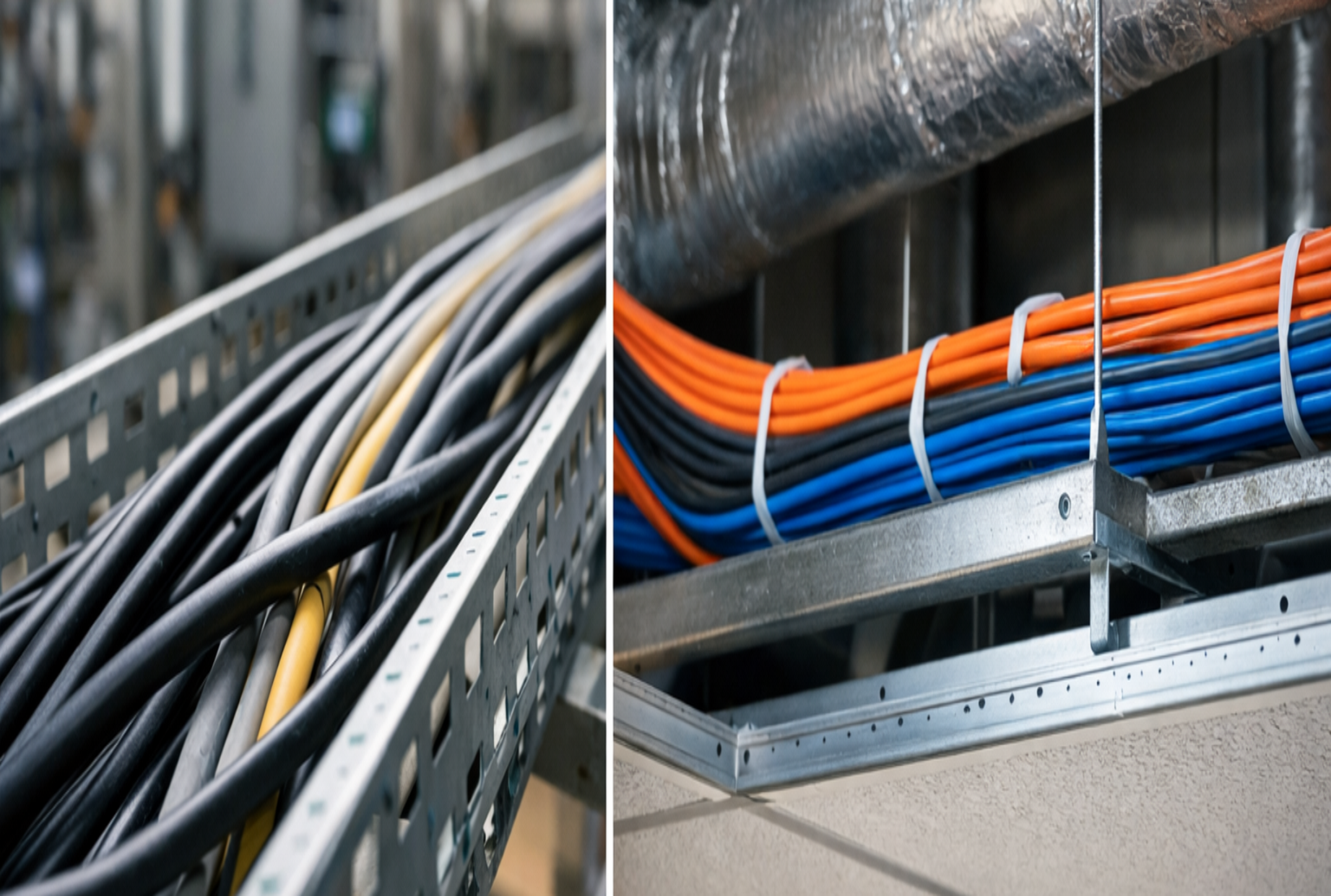
Tray cable, often labeled as TC or TC-ER, is a versatile power and control cable designed for use in cable tray systems, industrial environments, and exposed runs. It is commonly used in manufacturing facilities, utilities, and infrastructure projects where durability and flexibility are required.
Tray cable is built to handle mechanical stress, exposure to oils and chemicals, and varying environmental conditions. Many versions are rated for direct burial and outdoor use, depending on construction.
According to the National Electrical Code, tray cable is permitted in cable trays, raceways, and in some cases exposed runs when it meets TC-ER requirements.
Typical applications include:
- industrial automation systems
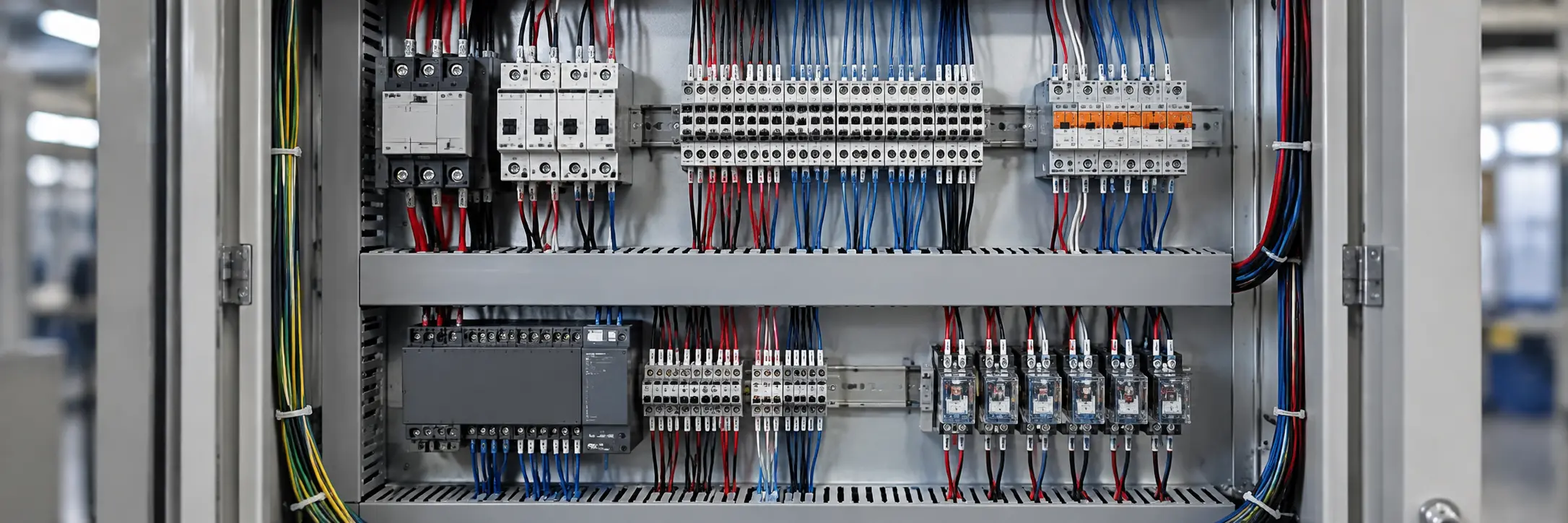
- control panels and machinery
- power distribution in manufacturing facilities
- outdoor and direct burial installations
What Is Plenum Cable?
Plenum cable, identified by a CMP rating, is specifically designed for use in air handling spaces such as above drop ceilings or below raised floors. These areas are used for air circulation in HVAC systems, which makes fire safety a critical concern.
Plenum cable is constructed with low-smoke, fire-resistant materials that limit the spread of flames and reduce toxic smoke in the event of a fire. This is not optional. It is required by code in many commercial buildings.
The National Fire Protection Association sets the standards that define plenum-rated cable requirements, which are enforced through the NEC.
Plenum cable is most used in:
- data centers
- office buildings
- hospitals
- schools
- telecommunications infrastructure
Key Differences Between Tray Cable and Plenum Cable
While both cables may appear similar at a glance, their design intent is very different.
Installation Environment
Tray cable is designed for industrial environments where cables are run in trays, along walls, or exposed in controlled conditions. It is built for durability and flexibility in demanding physical environments.
Plenum cable is designed specifically for air handling spaces. Its primary purpose is to meet fire safety requirements where air circulation could spread smoke or flames.
Fire Rating and Safety
This is the most critical difference.
Plenum cable must meet strict fire resistance and low smoke emission standards. It is engineered to limit flame spread and reduce the release of toxic gases.
Tray cable does not meet plenum fire rating requirements unless it is specifically dual-rated. Using standard tray cable in a plenum space would violate code.
Materials and Construction
Tray cable typically uses PVC or other rugged insulation materials that prioritize durability, chemical resistance, and mechanical strength.
Plenum cable uses specialized compounds such as fluoropolymers that are designed to resist burning and produce minimal smoke.
Cost Considerations
Plenum cable is significantly more expensive due to the materials required to meet fire safety standards.
Tray cable is generally more cost-effective and is preferred in environments where plenum rating is not required.
Can Tray Cable Be Used in Plenum Spaces?
In most cases, no.
Standard tray cable does not meet the fire safety requirements for plenum installations. However, some cables are manufactured with dual ratings, meaning they can meet both tray cable and plenum standards. These are less common and more expensive.
If your installation involves air handling spaces, always verify the cable rating against NEC requirements before specifying.
When Should You Use Tray Cable?
Tray cable is the right choice when:
- the installation is in an industrial or outdoor environment
- the cable will be run in trays, along structures, or exposed
- durability and resistance to chemicals or abrasion are required
- cost efficiency is a factor
It is commonly used in manufacturing plants, energy facilities, and infrastructure projects where performance and reliability matter more than fire containment in air spaces.
When Should You Use Plenum Cable?
Plenum cable is required when:
- the cable is installed in air return spaces
- the building code specifies CMP-rated cable
- the environment includes HVAC air circulation pathways
- fire safety and smoke reduction are critical
This is standard in commercial construction, especially in offices, healthcare facilities, and data centers.
Compliance and Code Considerations
Cable selection is not just about performance. It is about compliance.
The NEC outlines where different cable types can and cannot be used. Inspectors will look for proper cable ratings based on the installation environment.
Using the wrong cable type can result in:
- failed inspections
- project delays
- costly rework
- safety risks
Always confirm:
- installation environment
- applicable NEC articles
- local building code requirements
Choosing the Right Cable for Your Application
If you are deciding between tray cable and plenum cable, the first question is not performance. It is environment.
If the cable will be installed in an air handling space, plenum cable is required. There is no substitute.
If the installation is industrial, exposed, or in a cable tray system, tray cable is typically the better and more cost-effective option.
In more complex environments such as mixed-use buildings or facilities with both industrial and commercial spaces, it may be necessary to use different cable types in different sections of the same project.
FAQ: Tray Cable vs. Plenum Cable
Tray cable is designed for industrial and exposed environments, while plenum cable is designed for air handling spaces and must meet strict fire safety standards.
No, standard tray cable cannot be used in plenum spaces. Only cables with a CMP rating or dual rating that meets plenum requirements are allowed.
Plenum cable uses specialized fire-resistant materials that limit flame spread and smoke production, which increases manufacturing cost.
Plenum cable is required in air handling spaces such as above ceilings and below raised floors in commercial buildings.
TC-ER stands for Tray Cable Exposed Run. It means the cable can be used outside of a tray in certain conditions, as defined by the NEC.
Tray cable and plenum cable are not interchangeable. Each serves a specific purpose, and using the correct type is essential for both performance and compliance.
For industrial applications, tray cable offers durability and cost efficiency. For commercial environments with air handling systems, plenum cable is required for safety and code compliance.
Choosing correctly at the specification stage helps avoid delays, reduces risk, and ensures long-term reliability.