When it comes to selecting the right wire and cable for your project, the options can feel overwhelming. At Custom Cable Corp., we field hundreds of questions every month from professionals and DIYers alike. We’ve compiled the 15 most common questions we hear, along with straightforward answers to help you make informed decisions.
This is probably our most frequently asked question. A wire is a single conductor (either solid or stranded), while a cable consists of two or more wires bundled together under a common sheath or jacket. Think of it this way: a wire is one lane of traffic, while a cable is multiple lanes working together.
AWG stands for American Wire Gauge. It’s the standardized system for measuring wire diameter in North America. Here’s the tricky part: the AWG number goes down as the wire gets thicker. So 10 AWG is thicker than 14 AWG. This matters because thicker wires carry more current and have less resistance over distance.
According to the National Electrical Code (NFPA 70), using the correct AWG for your application is critical for both performance and safety.
You can generally use outdoor-rated cable indoors because outdoor cables meet higher standards for moisture and UV resistance. However, you should not use indoor cable outdoors. Indoor cables lack the protective jackets needed to withstand moisture, temperature extremes, and UV exposure, which leads to premature failure and safety hazards.
The jacket is your first clue about where and how you can use a cable. Common materials include:
- PVC (Polyvinyl Chloride): Affordable, flexible, good for general indoor use
- PE (Polyethylene): Weather-resistant, great for outdoor and direct burial
- TPE (Thermoplastic Elastomer): Flexible in cold temperatures, oil-resistant
- Teflon/FEP: High-temperature applications, chemical resistance
We can help you match jacket materials to your specific environmental conditions.
You need to consider three factors: the current (amperage) your application draws, the length of the wire run, and acceptable voltage drop. Longer runs require thicker wire to prevent voltage drop.
The general rule is to keep voltage drop under 3% for most applications. The American Boat and Yacht Council (ABYC) provides excellent voltage drop charts that apply beyond marine applications.
Solid wire uses a single metal conductor, while stranded wire uses multiple thin strands twisted together. Solid wire is cheaper and better for permanent installations where the wire won’t move. Stranded wire is more flexible and resistant to metal fatigue, making it ideal for applications involving movement or vibration.
Absolutely not. Temperature ratings vary widely based on insulation and jacket materials. Standard PVC might be rated for 60°C or 75°C, while specialized high-temp cables can handle 200°C or more. Using cable in temperatures exceeding its rating causes insulation breakdown and potential fire hazards.
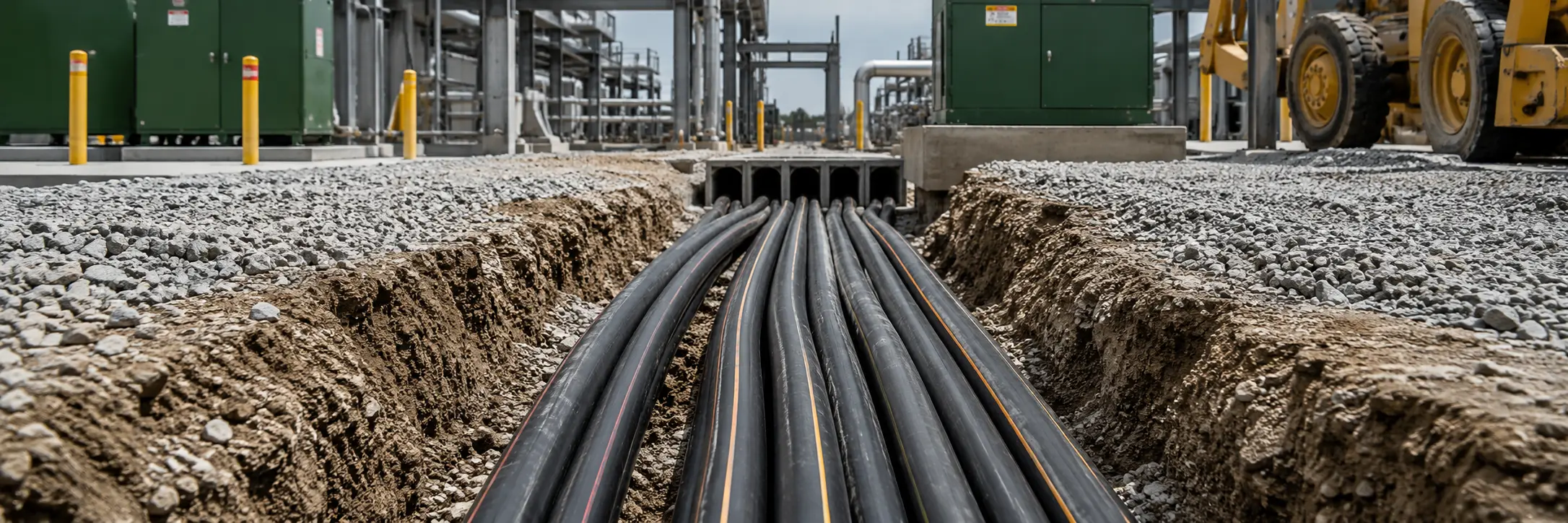
Direct burial cable is specifically designed to be buried underground without running it through conduit. These cables have extra-thick, moisture-resistant jackets (typically polyethylene) that protect against water infiltration, soil chemicals, and physical damage.
According to the NEC Article 340, direct burial cables must meet specific construction and burial depth requirements.
Direct burial cable is specifically designed to be buried underground without running it through conduit. These cables have extra-thick, moisture-resistant jackets (typically polyethylene) that protect against water infiltration, soil chemicals, and physical damage.
According to the NEC Article 340, direct burial cables must meet specific construction and burial depth requirements.
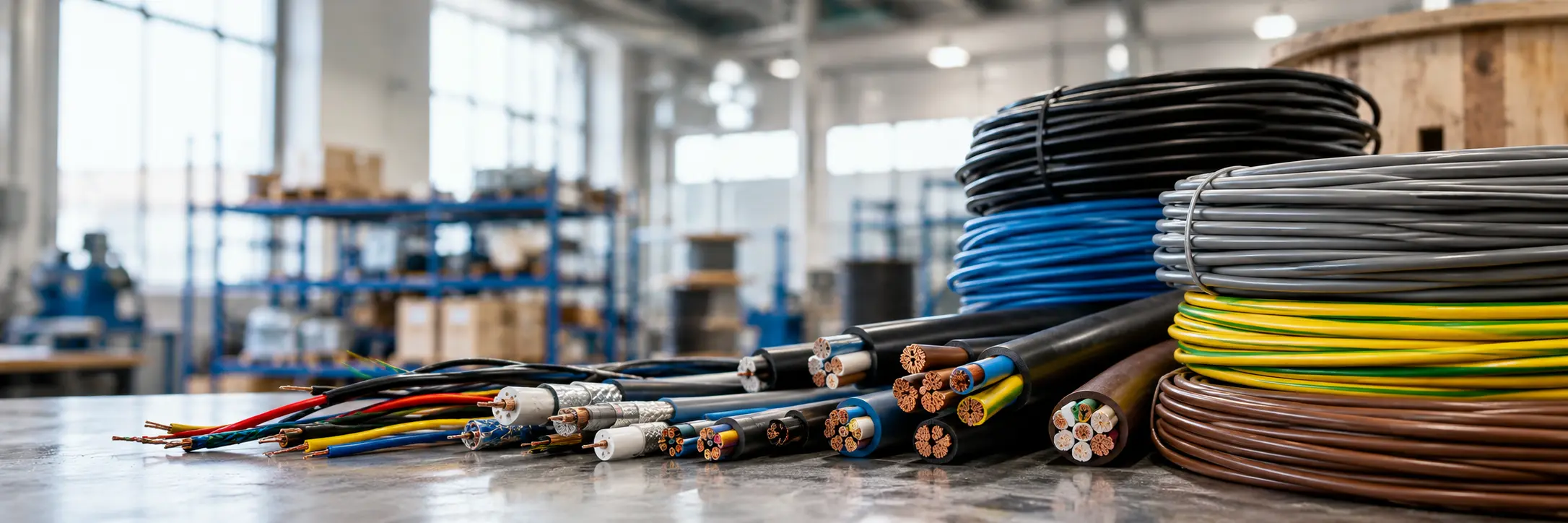
Single conductor cable contains just one insulated wire, even if that wire is stranded. Multiconductor cable contains two or more insulated conductors within a single outer jacket. Multiconductor cables are cleaner for installation, provide better organization, and often include a ground wire.
Look for the UL marking printed directly on the cable jacket. It typically includes “UL” followed by a style number (like “UL 1015” or “UL 1007”). This certification from Underwriters Laboratories means the cable has been tested and meets recognized safety standards. For many commercial and industrial applications, UL listing isn’t just recommended, it’s required by code.
It depends on the application and local codes. For low-voltage applications like automotive or audio, proper splicing with heat shrink or appropriate connectors is acceptable. For building wiring (120V and above), the NEC has specific requirements. In many cases, damaged cable in walls must be completely replaced rather than spliced. When in doubt, consult a licensed electrician.
Plenum spaces are the areas in buildings used for air circulation, typically above drop ceilings or below raised floors. Plenum-rated cable (CMP) has special fire-resistant insulation that produces less smoke and toxic fumes when burning. Building codes require plenum-rated cable in these air-handling spaces to prevent fire and smoke from spreading through ventilation systems.
This is called ampacity, and it depends on wire gauge, insulation type, ambient temperature, and installation method. The NEC provides comprehensive ampacity tables. As a quick reference, common residential circuits use 14 AWG (15 amps), 12 AWG (20 amps), and 10 AWG (30 amps) for 60°C-rated wire. But these numbers change based on conditions, so always verify with the appropriate tables or consult with our team for guidance.
Properly stored cable can last decades. The key is protecting it from UV exposure, extreme temperatures, moisture, and physical damage. Keep spools in a cool, dry place away from direct sunlight. Cable with rubber insulation tends to degrade faster than PVC. If you find old cable with cracked or brittle insulation, replace it rather than risk failure.
Yes, especially for safety-critical applications. While color coding isn’t always legally required for every wire type, following standard conventions prevents dangerous mistakes. In AC wiring, black or red typically indicates hot/live wires, white indicates neutral, and green or bare copper indicates ground. Consistent color coding protects you, future technicians, and end users.
Still Have Questions?
Wire and cable selection involves numerous variables specific to your application. The team at Custom Cable Corp. has decades of experience helping customers find exactly what they need. Whether you’re working on a commercial build-out, industrial automation project, or specialized application, we can provide expert guidance on wire gauge, insulation types, environmental ratings, and compliance requirements.
Explore our full product catalog, request a custom quote, or speak with one of our wire and cable specialists who can answer your specific questions.