A wire or cable spec sheet can tell you a lot. It can list the voltage rating, temperature rating, conductor size, insulation type, jacket material, approvals, dimensions, and weight. Those details matter. They help engineers, purchasing teams, contractors, and maintenance departments narrow down the right product. But a spec sheet does not always explain what happens after the cable leaves the reel.
It does not show the heat inside a plant. It does not show water collecting in a trench. It does not show oil on the shop floor, vibration from equipment, rough handling during installation, or abrasion from dragging, bending, pulling, and movement. That is where cable selection gets more complicated.
In the real world, cable does not just need to match a part number. It needs to survive the environment where it will actually be used.
The Environment Can Matter as Much as the Cable Type
A cable can be technically correct for one installation and completely wrong for another. That is because cable performance depends on more than the name printed on the jacket. Two cables may seem similar at a glance, but perform very differently when exposed to heat, moisture, oil, sunlight, chemicals, movement, or mechanical abuse.
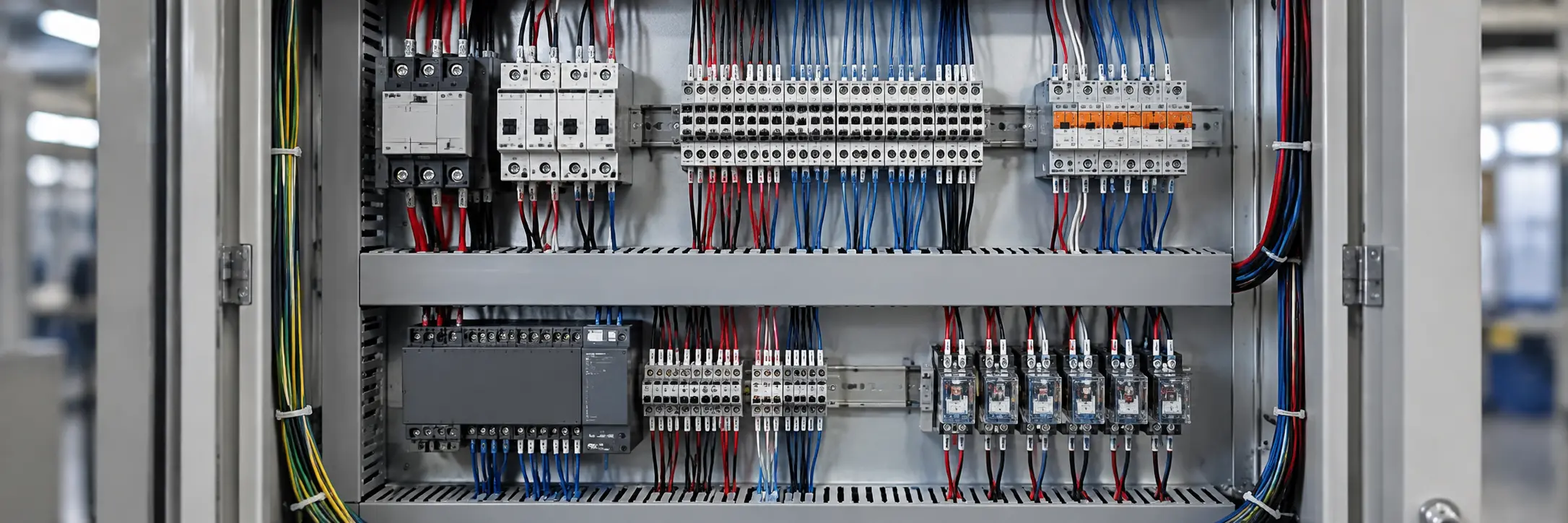
For example, a cable used inside a dry, protected control cabinet does not face the same conditions as a cable used on a mining site, in a processing plant, on portable equipment, or in an outdoor power application. A product that performs well in a clean indoor environment may not hold up when it is flexed, dragged, exposed to oil, or installed near heat-generating equipment.
That is why wire and cable selection should start with a simple but important question:
Where will this cable live?
Heat: The Rating Is Only Part of the Story
Temperature ratings are one of the first things buyers look at, and for good reason. Heat can damage insulation, shorten service life, and create performance problems if the wrong cable is selected.
But the listed temperature rating is not the whole conversation. You also need to think about whether the heat is constant or occasional. Is the cable near motors, ovens, heating equipment, lighting fixtures, transformers, or industrial machinery? Will the cable be installed in a tight space where heat cannot easily dissipate? Is the heat coming from the environment, the electrical load, or both?
High temperature wire may be needed when standard insulation is not designed for the operating conditions. In some applications, the insulation material matters as much as the temperature number itself. Silicone, PTFE, TFE, FEP, glass braid, and other high-performance materials may be selected because they can handle conditions where general-purpose insulation may not be enough.
A cable that barely meets the rating on paper may not be the best choice if the actual operating environment is more demanding than expected.
Moisture: Wet Does Not Always Mean the Same Thing
Moisture is another area where buyers can run into trouble. A cable may be listed for wet locations, but that does not automatically mean it belongs underground, submerged, exposed to weather, or installed where water can collect for long periods. Wet-location suitability and direct burial suitability are related, but they are not the same thing.
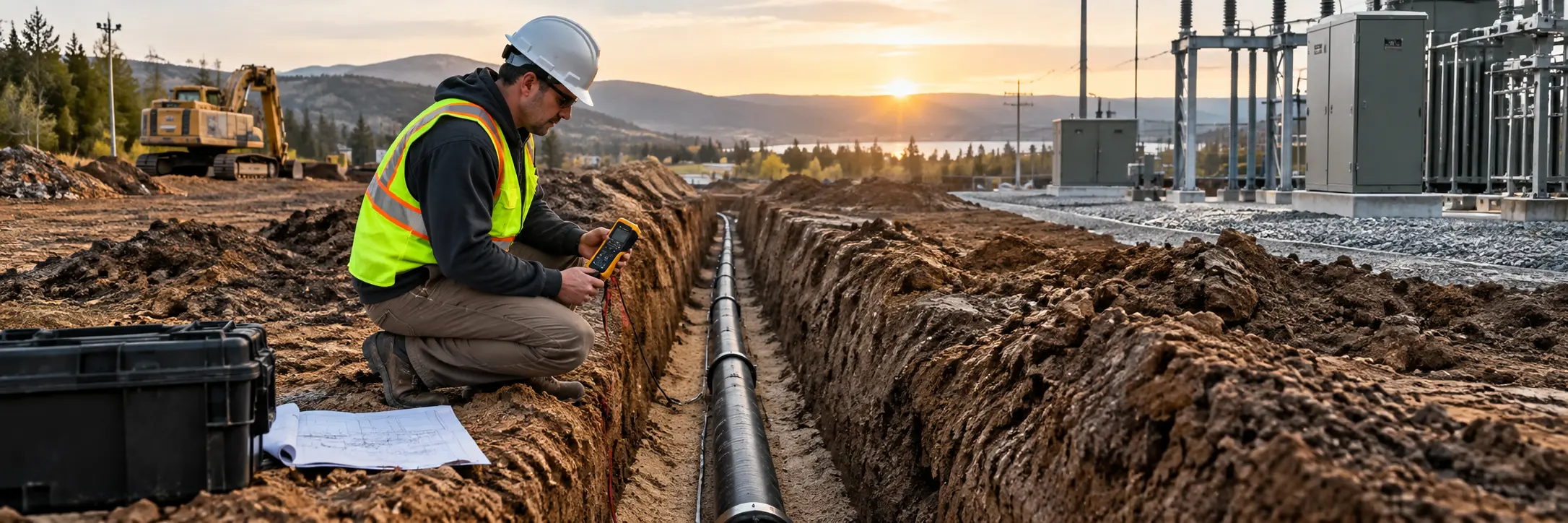
A cable used in a damp indoor area has different demands than a cable installed below grade. Underground cable may need to deal with soil contact, moisture intrusion, abrasion, shifting conditions, and long-term exposure that is difficult to inspect after installation.
Direct burial cable should be selected with the full installation in mind. That includes the circuit type, voltage rating, jacket construction, burial method, conduit requirements, soil conditions, and whether mechanical protection is needed. The mistake is assuming that “outdoor,” “wet,” and “direct burial” all mean the same thing. They do not.
Oil: A Common Problem in Industrial Settings
In manufacturing plants, machine shops, maintenance areas, and heavy equipment environments, oil exposure can be part of everyday operation. Cable jackets and insulation materials respond differently to oil. Some materials may become soft, swollen, brittle, or damaged after prolonged exposure. Others are designed for better oil resistance.
This matters for portable cord, equipment wiring, motor leads, control systems, and industrial machinery connections. A cable might carry power correctly, but still fail earlier than expected if the jacket is not appropriate for the environment.
Oil exposure is also easy to underestimate because it may not be constant. A cable may only be exposed during maintenance, washdowns, spills, leaks, or equipment operation. But even occasional exposure can matter if the cable was not built for it.
When oil is part of the environment, it should be discussed before the order is placed.
Abrasion: The Job Site Does Not Handle Cable Gently
Cable is often pulled, dragged, routed, laid across surfaces, bent around equipment, installed through raceways, or handled repeatedly before it ever goes into service. That handling can create abrasion.
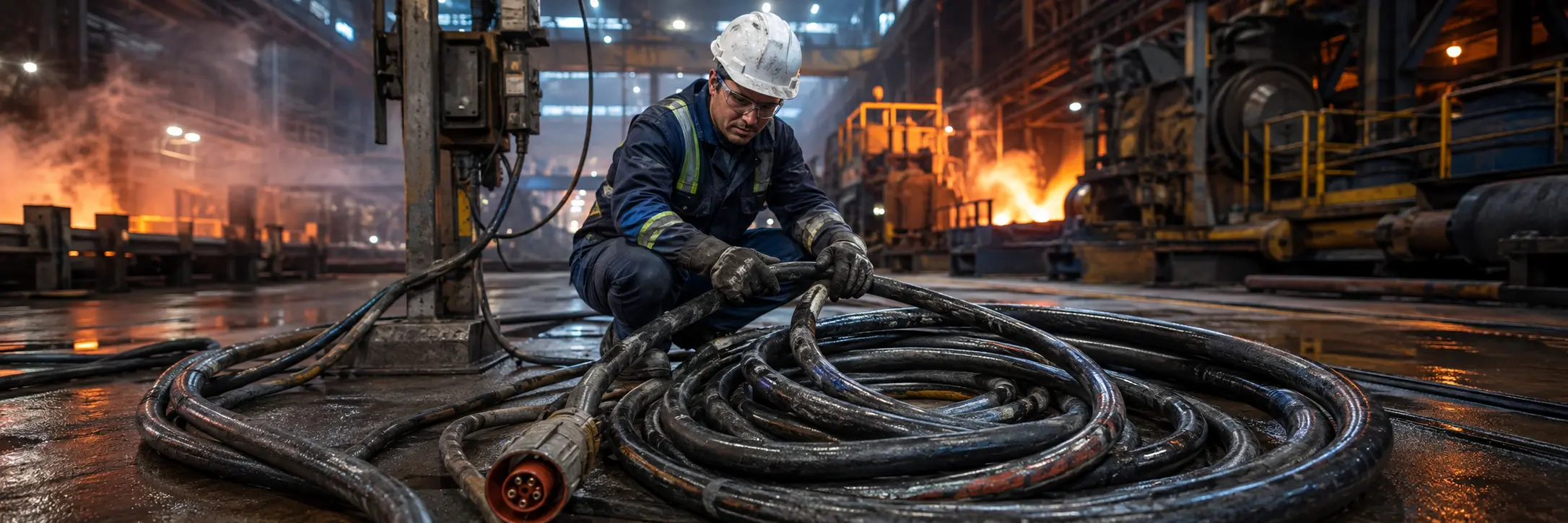
In harsh applications, abrasion resistance is not a small detail. It can affect whether the jacket remains intact during installation and operation. A cable used in mining, portable power, industrial equipment, or temporary power applications may face contact with rough surfaces, machinery, tools, ground conditions, and repeated movement.
This is one reason heavy-duty products such as Type W cable, mining cable, and certain portable cords exist. They are often selected for environments where flexibility and durability both matter.
A cable that is fine for a fixed indoor run may not be appropriate for an application where the cable will be moved, flexed, dragged, or exposed to physical damage.
Flexibility Is Not the Same as Durability
Flexible cable can be easier to install and handle, but flexibility alone does not mean the cable is right for a demanding environment. Some cables need to bend during installation and then remain fixed. Others need to move repeatedly during operation. Those are different requirements.
A cable used for portable equipment, temporary power, mining equipment, or industrial machinery may need a construction that supports movement, handling, and mechanical stress. If the cable is too stiff, it may be hard to route. If it is flexible but not rugged enough, it may not hold up.
Buyers should think about whether the cable will be stationary, occasionally moved, frequently handled, or exposed to continuous flexing. That difference can change the type of cable that should be considered.
SOOW Cable and Portable Cord Applications
SOOW cable is often used in portable power applications because it is flexible and built for demanding conditions. It is commonly associated with uses where the cable may need oil resistance, water resistance, weather resistance, and durability. That does not mean SOOW cable is automatically right for every portable power job.
The application still matters. Buyers should confirm the voltage, conductor count, gauge, temperature rating, jacket requirements, flexibility needs, and whether the cable will be used indoors, outdoors, near equipment, in a temporary setup, or in a harsher industrial environment.
A portable cord should not be selected only because it is easy to move. It should be selected because its construction matches the conditions it will face.
Type W Cable and Heavy-Duty Power
Type W cable is used in rugged power applications where strength, flexibility, and environmental resistance may be important. It is often considered for heavy-duty industrial, mining, generator, temporary power, and equipment applications. The key word is “rugged.”
These environments can involve moisture, abrasion, impact, oil, outdoor exposure, repeated handling, and demanding electrical loads. A lighter-duty cable may not provide the same level of protection or performance.
When a project calls for heavy-duty power cable, the question is not just whether the cable can carry current. It is whether it can hold up while doing it.
Mining Cable Faces Some of the Toughest Conditions
Mining cable is a good example of cable designed for the real world, not just a clean electrical drawing. Mining environments can be rough, wet, abrasive, and demanding. Cable may be exposed to movement, mechanical stress, heavy equipment, temperature changes, and tough operating conditions. In these applications, cable durability is tied directly to uptime and safety.
Choosing cable for mining operations requires attention to conductor size, voltage, flexibility, jacket material, grounding, approvals, and how the cable will actually be used on site. A cable that works in a general industrial setting may not be enough for mining conditions.
What the Spec Sheet May Not Tell You Clearly
A spec sheet is useful, but it is not always written from the perspective of the person responsible for getting the job done. It may not clearly answer questions like:
Will this cable be dragged across rough surfaces?
Will it be exposed to oil during normal operation?
Will it sit in a wet or underground environment?
Will it be near heat-producing equipment?
Will it need to move repeatedly?
Will an inspector, engineer, or maintenance team question the selection?
That is why the best cable decisions combine product data with application context.
The spec sheet gives the facts. The job site gives the reality.
Ask Better Questions Before Ordering
The easiest way to avoid cable problems is to ask more specific questions before ordering. Instead of only asking, “Do you have this cable?” it is better to ask whether the cable fits the application. Where will it be installed? What will it be exposed to? Will it be moved or fixed? Does the environment involve heat, moisture, oil, abrasion, sunlight, chemicals, or vibration? A good supplier can help narrow the options when the application is clear.
Custom Cable Corp. helps customers source wire and cable for industrial, commercial, utility, equipment, and specialty applications. Whether the project requires SOOW cable, Type W cable, mining cable, high temperature wire, portable cord, direct burial cable, MC cable, or another product type, the best choice starts with how and where the cable will be used.
Because in the real world, cable is not just selected for what it carries. It is selected for what it has to survive.
FAQs
A cable should be reviewed based on the actual conditions it will face, including temperature, moisture, oil, abrasion, chemicals, sunlight, movement, and mechanical stress. The cable type, jacket material, insulation, approvals, and installation method should all match the application.
Not always. A higher temperature rating can be important, but it does not automatically make a cable the best choice. Flexibility, jacket material, voltage rating, chemical resistance, oil resistance, and installation conditions may be just as important.
The best cable depends on the type and frequency of oil exposure, along with the electrical and mechanical requirements of the application. Many industrial and portable cord products are available with oil-resistant jackets, but the specific cable should be matched to the environment.
The jacket is the cable’s outer layer of protection. It helps protect the conductors and insulation from physical damage, moisture, oil, sunlight, abrasion, and other environmental conditions. A poor jacket match can shorten cable life or make the cable unsuitable for the job.
Cable for fixed installations is usually selected for a stable wiring method, such as conduit, tray, raceway, or direct installation. Cable for portable equipment may need more flexibility, stronger jacket construction, and better resistance to movement, handling, oil, moisture, and abrasion.