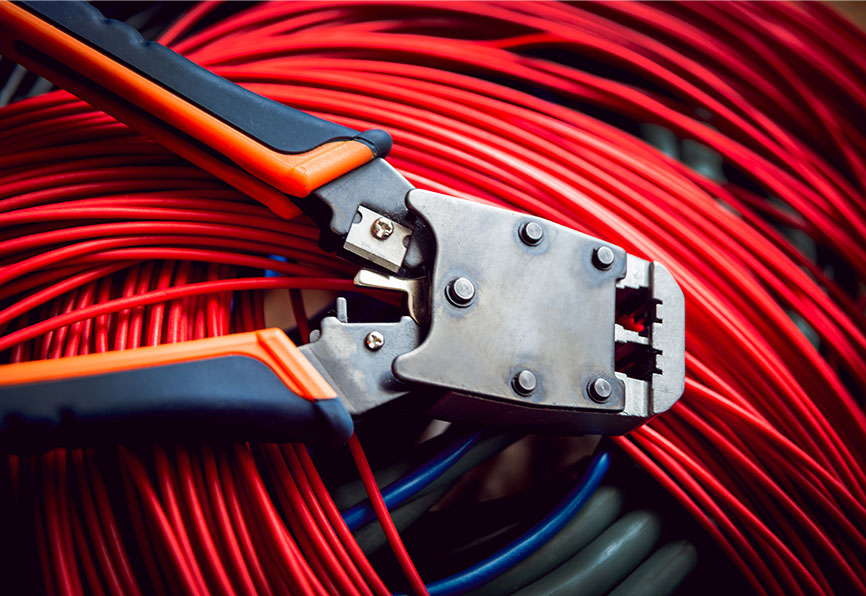
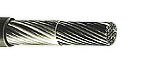
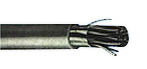
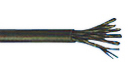
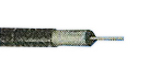
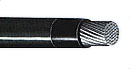
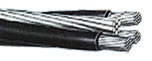
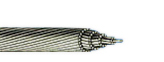
Our inventory covers virtually every electrical and electronic cable application imaginable. We maintain over 15,000 active SKUs, each engineered for performance, consistency, and compliance with UL, CSA, and RoHS standards. From heat-resistant wire to precision coaxial and multi-conductor control cable, we supply the materials that keep manufacturing, communications, and energy systems running 24/7.
At Custom Wire & Cable, every product line is backed by the same principle: deliver the best wire for the job and stand behind it. We combine deep industry knowledge with supply-chain efficiency to help clients meet tight schedules without compromising quality.
Our inventory covers virtually every electrical and electronic cable application imaginable. We maintain over 15,000 active SKUs, each engineered for performance, consistency, and compliance with UL, CSA, and RoHS standards. From heat-resistant wire to precision coaxial and multi-conductor control cable, we supply the materials that keep manufacturing, communications, and energy systems running 24/7.
Browse our full range of wire and cable products by category. Each product is clearly specified to help you quickly identify the right solution for your application.
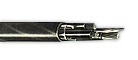
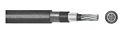
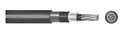
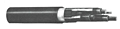
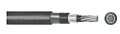
Medium voltage power cable is used to distribute electrical power in commercial, industrial, utility, mining, airport, and infrastructure applications where standard low-voltage cable is not enough. These cables are commonly used for feeders, underground distribution, substations, plant power, airfield lighting circuits, and other demanding electrical environments.
Custom Cable Corp. supplies medium voltage cable in a range of constructions, including EPR, XLP, EPR-CPE, EPR-PVC, LSZH, shielded, unshielded, grounded, ungrounded, copper URD, aluminum URD, Type MV-90, Type MV-105, Type URD, and FAA L-824 airport lighting cable. Product options shown in this category include 2400V, 5kV, 8kV, 15kV, and select 35kV medium voltage cable. If your project requires a specific insulation level, jacket material, conductor type, shielding option, temperature rating, or installation method, our team can help source the right medium voltage cable for your application.
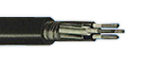
Medium voltage cable selection is often driven by the installation method as much as the voltage class. This 5kV and 8kV shielded power cable group helps buyers compare conductor size, insulation and jacket thickness, finished diameter, amp ratings by installation type, and cable weight before requesting a quote. Use the table below to match the electrical design, routing method, and project specification for feeder, distribution, branch circuit, utility, or industrial power applications.
Medium voltage power cable is used to move electrical power through systems that operate above standard low-voltage wiring. It is commonly specified for industrial facilities, utility distribution, substations, airports, infrastructure projects, mining operations, and other demanding power applications.
These cables are built for higher voltage loads and are available in different conductor, insulation, jacket, shielding, and grounding configurations. The right cable depends on the system voltage, installation environment, electrical design, and project requirements.
Medium voltage cable is used for power distribution where a standard 600V cable is not suitable for the job. Common uses include primary feeders, underground distribution, industrial plant power, utility service, airfield lighting circuits, substations, renewable energy systems, and large commercial electrical systems.
Some installations need cable that can handle wet locations, direct burial, sunlight exposure, conduit, duct, aerial use, or tray applications. That is why medium voltage cable is usually selected based on a detailed specification rather than by voltage alone.
The voltage rating tells you the maximum voltage class the cable is designed to support. A 5kV cable is built for a lower medium voltage system than a 15kV or 35kV cable. As the voltage rating increases, the cable construction, insulation system, shielding requirements, and overall design may also change.
The correct voltage rating should match the electrical system, project specifications, grounding method, insulation level, and applicable installation requirements. Medium voltage cable should always be selected according to the project’s electrical design.
MV-90 cable is medium voltage cable with a 90°C conductor temperature rating under normal operating conditions. It is often used in commercial, industrial, utility, feeder, and distribution applications where a 90°C medium voltage cable is required.
MV-90 cable may be available in different constructions, including EPR, XLP, PVC, CPE, shielded, unshielded, grounded, and ungrounded options. The best choice depends on the voltage, insulation level, jacket type, shielding needs, and installation conditions.
MV-105 cable is medium voltage cable with a 105°C conductor temperature rating under normal operating conditions. It is often selected for applications where the project calls for a higher temperature rating than MV-90 cable.
MV-105 cable may be used in demanding power distribution environments where heat, load, insulation performance, and long-term reliability are important. As with all medium voltage cable, the final selection should be based on the full project specification.
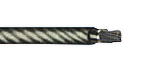
What is the difference between EPR and XLP medium voltage cable?
EPR and XLP are insulation materials used in medium voltage cable. EPR stands for ethylene propylene rubber, while XLP, also known as XLPE, stands for cross-linked polyethylene.
EPR is often chosen for flexibility, moisture resistance, and demanding industrial environments. XLP is often chosen for its electrical performance, durability, and use in utility, underground, duct, conduit, and aerial applications. Both can be good options, but the right choice depends on how and where the cable will be installed.
Shielded medium voltage cable is used when the cable needs added electrical stress control and dependable performance in higher-voltage power distribution systems. Shielding can also help manage electrical interference and support safer, more stable operation in the right application.
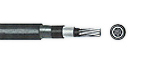
Shielded cable is commonly used in utility distribution, substations, industrial plants, underground installations, and other medium voltage systems where the electrical design calls for it. The type of shield, such as copper tape or another shielding construction, should match the project specification.
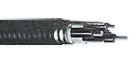
The insulation level relates to how the cable is designed to perform under system grounding and fault conditions. A 100% insulation level is commonly used on grounded systems where a fault is expected to be cleared quickly. A 133% insulation level is often used when extra insulation thickness is required, such as in systems where a ground fault may remain for a longer period before it is cleared.
The correct insulation level depends on the grounding method, fault-clearing time, system design, and engineering specification. It should not be chosen casually, especially on medium voltage systems.
Type URD cable is primary underground distribution cable. It is commonly used for underground utility power distribution and may be available with copper or aluminum conductors, XLP or TR-XLP insulation, and full neutral construction.
URD cable is often used by utilities, electrical contractors, and infrastructure projects where power needs to be distributed underground. The right URD cable depends on the voltage rating, conductor material, insulation type, neutral configuration, and installation requirements.
Yes, many medium voltage cables are designed for underground installations, but not every medium voltage cable is suitable for every underground application. Some are intended for direct burial, while others may be designed for conduit, duct, or other protected installation methods.
For underground use, important selection factors may include insulation type, jacket material, moisture resistance, shielding, insulation level, conductor material, and whether the cable is rated for the intended environment.
To source the right medium voltage power cable, it helps to know the voltage rating, conductor material, conductor size, number of conductors, insulation type, jacket material, shielding requirement, insulation level, grounding method, temperature rating, and installation environment.
Useful details may include whether the project requires copper or aluminum conductors, EPR or XLP insulation, 100% or 133% insulation level, shielded or unshielded construction, direct burial rating, sunlight resistance, wet location use, or a specific standard such as MV-90, MV-105, Type URD, or FAA L-824.
Interested in cooperation or have questions? Just fill out the form and we will call you back. Or you can contact us via: info@gmail.com