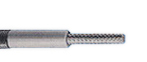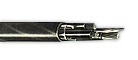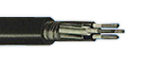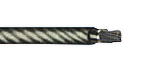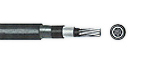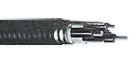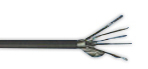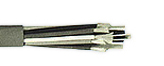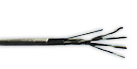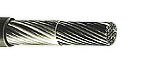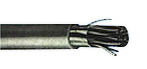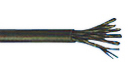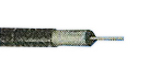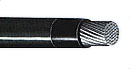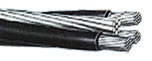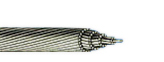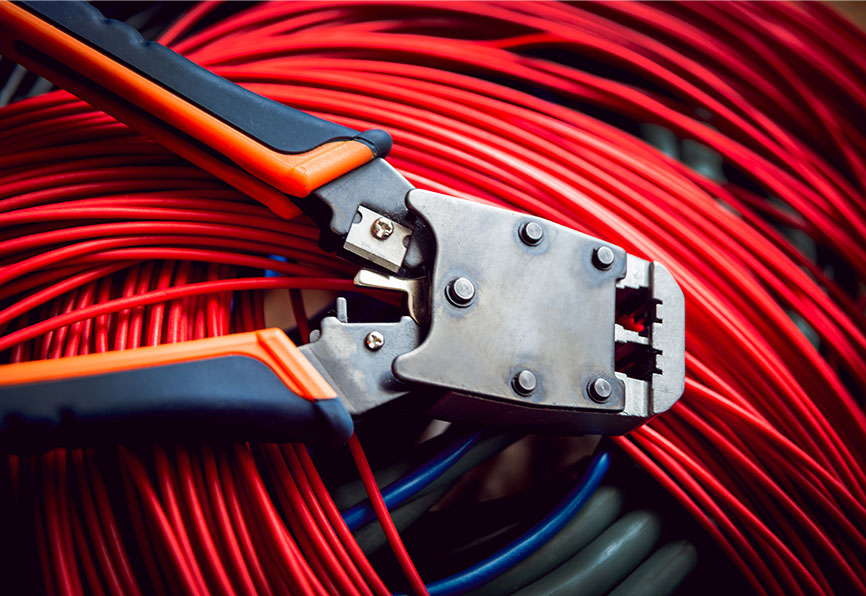
Our inventory covers virtually every electrical and electronic cable application imaginable. We maintain over 15,000 active SKUs, each engineered for performance, consistency, and compliance with UL, CSA, and RoHS standards. From heat-resistant wire to precision coaxial and multi-conductor control cable, we supply the materials that keep manufacturing, communications, and energy systems running 24/7.
At Custom Wire & Cable, every product line is backed by the same principle: deliver the best wire for the job and stand behind it. We combine deep industry knowledge with supply-chain efficiency to help clients meet tight schedules without compromising quality.
Our inventory covers virtually every electrical and electronic cable application imaginable. We maintain over 15,000 active SKUs, each engineered for performance, consistency, and compliance with UL, CSA, and RoHS standards. From heat-resistant wire to precision coaxial and multi-conductor control cable, we supply the materials that keep manufacturing, communications, and energy systems running 24/7.
Browse our full range of wire and cable products by category. Each product is clearly specified to help you quickly identify the right solution for your application.
If you want cable or wire that is made with high quality standards in mind, we are the go to source. Common applications that our cable and wire is used for includes but is not limited to material flow monitoring, dryer wiring, oven heaters, electronics, sound systems, and more! If you are looking for durable high-heat cable options that can get the job done and exceed your expectations, you have come to the right place. Custom Cable Corp guarantees the quality of construction and materials used, so you can always count on top quality when you come to us. Contact us today for more information.
High temperature wire is wire designed with insulation and materials that can withstand elevated heat in equipment, appliances, industrial systems, and other demanding environments. It is used when standard wire insulation may become brittle, soften, crack, or fail because of heat exposure.
The right high temperature wire depends on the operating temperature, voltage, conductor type, insulation material, flexibility, and application.
High temperature wire is used in applications where heat resistance is important, including oven wiring, heater leads, dryer wiring, appliance wiring, electronics, control systems, material flow monitoring, manufacturing equipment, and industrial machinery.
It may also be used anywhere wire is exposed to elevated ambient temperatures, radiant heat, or heat generated by equipment operation.
The required temperature rating depends on the actual operating environment. Important factors include ambient temperature, equipment heat, conductor temperature, insulation type, ventilation, installation method, and whether the cable is exposed to continuous or occasional heat.
For quote requests, it helps to provide the required temperature rating, voltage, conductor size, conductor count, insulation type, jacket requirement, and application.
High temperature wire may use insulation materials designed to resist heat, such as silicone, fiberglass, PTFE, FEP, PFA, mica, or other heat-resistant compounds depending on the product type and application.
The best insulation depends on more than temperature alone. Flexibility, abrasion resistance, chemical exposure, moisture, voltage, and installation conditions should also be considered.
To choose the right high temperature wire or cable, start with the application and the heat exposure. Confirm the temperature rating, voltage rating, conductor size, conductor material, insulation type, jacket material, flexibility, conductor count, and environmental conditions.
For industrial or equipment applications, it is also helpful to know whether the wire will be exposed to chemicals, oil, moisture, abrasion, movement, confined spaces, or continuous heat.



Interested in cooperation or have questions? Just fill out the form and we will call you back. Or you can contact us via: info@gmail.com