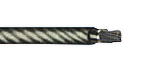
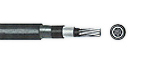
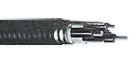
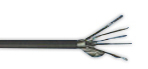
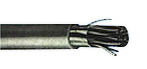
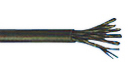
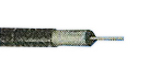
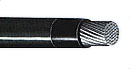
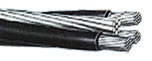
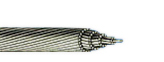
Our inventory covers virtually every electrical and electronic cable application imaginable. We maintain over 15,000 active SKUs, each engineered for performance, consistency, and compliance with UL, CSA, and RoHS standards. From heat-resistant wire to precision coaxial and multi-conductor control cable, we supply the materials that keep manufacturing, communications, and energy systems running 24/7.
At Custom Wire & Cable, every product line is backed by the same principle: deliver the best wire for the job and stand behind it. We combine deep industry knowledge with supply-chain efficiency to help clients meet tight schedules without compromising quality.
Find the Products You Need Fast.
Our inventory covers virtually every electrical and electronic cable application imaginable. We maintain over 15,000 active SKUs, each engineered for performance, consistency, and compliance with UL, CSA, and RoHS standards. From heat-resistant wire to precision coaxial and multi-conductor control cable, we supply the materials that keep manufacturing, communications, and energy systems running 24/7.
Browse our full range of wire and cable products by category. Each product is clearly specified to help you quickly identify the right solution for your application.
Teflon wire is used in applications where standard insulation may not provide enough heat resistance, chemical resistance, or electrical performance. Custom Cable Corp. supplies Teflon wire options for electronic equipment, internal wiring, instrumentation, aerospace-style applications, control systems, and high-temperature environments.
Available options may include TFE, FEP, PTFE, and related insulated wire constructions, with sourcing support based on temperature rating, conductor size, voltage rating, flexibility, insulation type, and project requirements.
Offering You Top Quality Products to Meet Your Demand
We here at Custom Cable Corp offer you custom solutions for all of your electrical wire and electronic cable necessities. We strive to provide our customers with premium Teflon wire products at a great value. With our large selection of insulated wire products, you are sure to find all the wires you need in one place and get it delivered quickly so you’re never left waiting on the items you need.
Custom Teflon Wires
Custom Cable Corp has the finest selection of Teflon wire products to match whatever application you’ll be using them for. We are the experts in our industry and are here to help you find a custom solution for all of your wire and cable needs from twisting to custom cutting to any length required. For questions regarding custom Teflon wire products contact us via email at or call us at (888) 813-6768.
Array
Frequently Asked Questions
Teflon wire is used in applications that require dependable performance in heat, chemicals, tight spaces, or demanding electrical environments. Common uses include electronic equipment, instrumentation, control systems, internal wiring, and high-temperature applications.
Teflon wire uses fluoropolymer insulation, such as PTFE, FEP, or TFE, which can offer stronger heat resistance, chemical resistance, dielectric performance, and durability than many standard PVC-insulated hook-up wires.
Yes. Teflon-insulated wire is often selected for high-temperature environments because fluoropolymer insulation can maintain performance where standard insulation materials may soften, crack, or fail.
PTFE, FEP, and TFE are fluoropolymer insulation types used in demanding wire applications. The best option depends on the required temperature rating, flexibility, chemical exposure, electrical performance, and manufacturing or project specifications.
The right Teflon wire depends on the application, conductor size, strand count, voltage rating, temperature exposure, chemical exposure, flexibility needs, insulation type, and any required UL, MIL-spec, or project standards.
It seems we can’t find what you’re looking for.
Popular Categories
Discover our most requested cable types used across multiple industries.
Custom Cable has been an exceptional partner for our engineering projects. Their team consistently delivers high-quality cable solutions on time, even for complex configurations.
We rely on Custom Cable for both standard and custom assemblies. Their communication, attention to detail, and fast turnaround have been outstanding.
Excellent quality and reliable support every time. From quoting to delivery, the process is seamless and makes my job easier.
Their expertise in custom fabrication and value-added services has been a game-changer for our production line. You can tell they know this business inside and out.
We’ve worked with many suppliers over the years, but none match Custom Cable's level of service, precision, and professionalism.