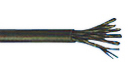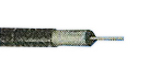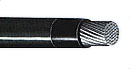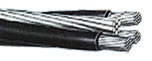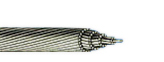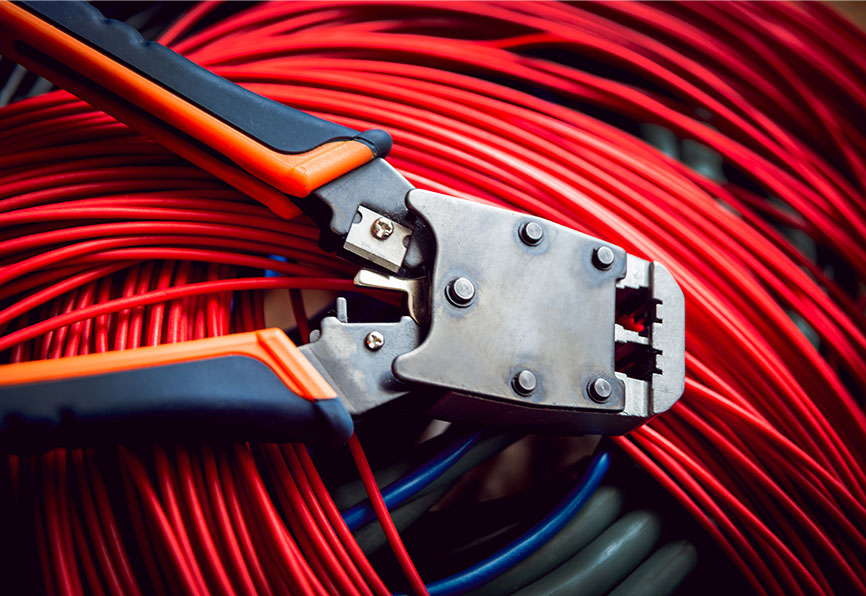
Our inventory covers virtually every electrical and electronic cable application imaginable. We maintain over 15,000 active SKUs, each engineered for performance, consistency, and compliance with UL, CSA, and RoHS standards. From heat-resistant wire to precision coaxial and multi-conductor control cable, we supply the materials that keep manufacturing, communications, and energy systems running 24/7.
At Custom Wire & Cable, every product line is backed by the same principle: deliver the best wire for the job and stand behind it. We combine deep industry knowledge with supply-chain efficiency to help clients meet tight schedules without compromising quality.
Our inventory covers virtually every electrical and electronic cable application imaginable. We maintain over 15,000 active SKUs, each engineered for performance, consistency, and compliance with UL, CSA, and RoHS standards. From heat-resistant wire to precision coaxial and multi-conductor control cable, we supply the materials that keep manufacturing, communications, and energy systems running 24/7.
Browse our full range of wire and cable products by category. Each product is clearly specified to help you quickly identify the right solution for your application.
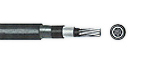
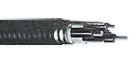
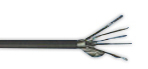
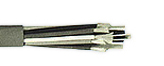
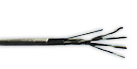
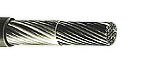
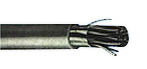
Type W cables made here at Custom Cable Corp. are often intended for heavy-duty industrial use. This allows for high demand companies and industry giants to get the power, reliability, and durability needed for day to day operations. In many cases Type W cables are what are found in work site machines and equipment such as conveyors, fork lifts, loaders, lifting magnets, electrical machines, large cutters, pumps, drills, and cranes. They are the work horse of the cable and wiring world. Contact us today for more information.
Type W cable is a heavy-duty portable power cable designed for demanding industrial, commercial, and temporary power applications. It is commonly used where cable needs to handle movement, rugged jobsite conditions, equipment connections, and higher power requirements than lighter-duty portable cords.
Type W cable may be available in single-conductor or multi-conductor constructions, so the correct option depends on the equipment, voltage, conductor size, conductor count, and installation environment.
Type W cable is used for portable and temporary power connections in industrial, construction, utility, mining, maintenance, and equipment applications. It may be used with generators, motors, pumps, drills, cranes, conveyors, loaders, forklifts, power distribution equipment, and other mobile or portable electrical systems.
The right Type W cable depends on the load, voltage rating, length, flexibility requirements, and the conditions where the cable will be used.
Type W cable is generally used for heavier-duty portable power and higher voltage applications, while SOOW cable is commonly used for flexible portable cord applications involving tools, motors, equipment, temporary power, and jobsite use. Type W cable can handle up to 2000 volts, while SOOW is commonly associated with 600V portable cord applications.
Both can be used in demanding environments, but they are not interchangeable. The correct choice depends on voltage, amperage, conductor size, conductor count, flexibility, environment, and project specification.
Type W cable is commonly selected for demanding outdoor, industrial, utility, construction, and temporary power applications where durability and moisture resistance are important. The page describes Type W as waterproof and suitable for mobile or portable electrical equipment.
For outdoor or wet-location use, buyers should still confirm the specific cable construction, voltage rating, jacket material, temperature rating, environmental exposure, and project requirements before ordering.
To choose the right Type W cable, start with the equipment and electrical load. Confirm the voltage rating, conductor size, number of conductors, amperage requirement, cable length, flexibility needs, jacket requirements, and whether the cable will be used indoors, outdoors, temporarily, or with mobile equipment.
For quote requests, provide the AWG or kcmil size, conductor count, required footage, voltage rating, application, equipment type, and any project or safety specifications.



Interested in cooperation or have questions? Just fill out the form and we will call you back. Or you can contact us via: info@gmail.com