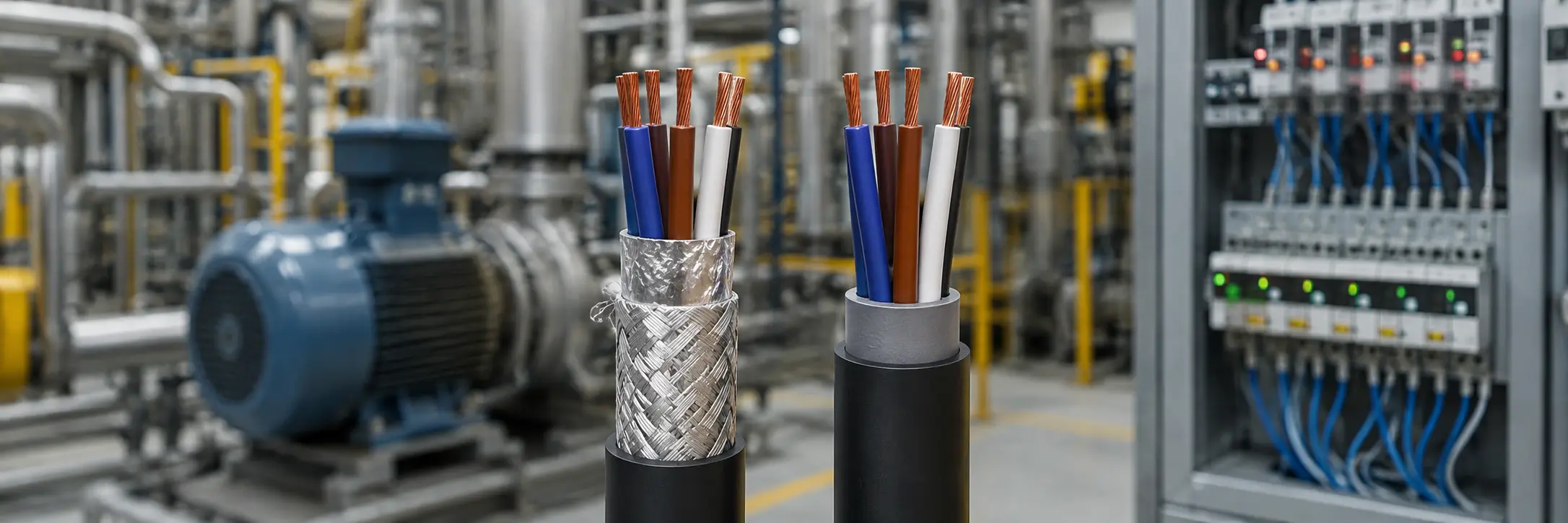
PVC is one of the most familiar insulation materials used on hook-up wire, but not every PVC insulation performs the same way. When equipment has limited internal space, elevated operating temperatures, demanding assembly conditions or very specific UL requirements, the way the PVC insulation is manufactured can make a meaningful difference.
One option is irradiated PVC, sometimes referred to as crosslinked PVC or XLPVC. Irradiation changes the insulation material so it can provide properties that ordinary PVC may not offer to the same degree.
That does not mean irradiated PVC is automatically the better wire for every electrical assembly. The decision should start with the environment inside the equipment and the electrical requirements of the circuit.
What Happens When PVC Insulation Is Irradiated?
Irradiation is used to alter the molecular structure of the insulation after it has been applied to the conductor. This crosslinking process can improve the material’s resistance to heat and physical deformation.
For a wire manufacturer or equipment designer, that can make it possible to use a relatively thin insulation wall while maintaining the characteristics required by a particular wire style. The result is still recognizably PVC-based insulation, but its performance can differ from a conventional PVC compound.
This distinction is especially relevant when comparing the many types of hook-up wire used for internal wiring. Conductor size may be identical between two products while insulation thickness, outside diameter, temperature rating and wire style are very different.
When Space Inside the Equipment Is Limited
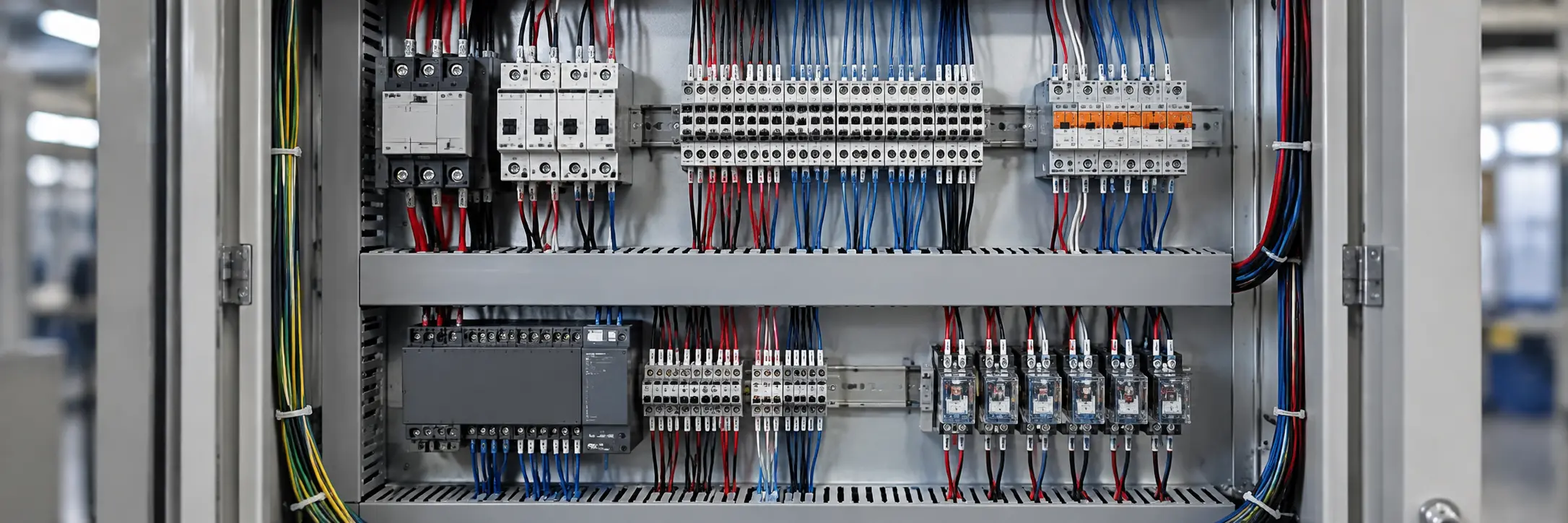
One of the most practical reasons to consider irradiated PVC is physical space. Electronic assemblies, business equipment, controls and appliances can contain a large number of internal connections in a relatively small enclosure. Every fraction of an inch added to the diameter of each wire affects routing space, bundles, termination areas and the ability to fit wiring around other components.
A thin-wall construction can therefore have value beyond simply making the wire look smaller. This becomes more important as conductor counts increase. A small change in the outside diameter of one conductor can have a much larger effect when dozens of wires need to be routed through the same portion of an assembly.
The appropriate product still depends on the required UL style and electrical ratings. Wire should not be selected simply because it has the smallest outside diameter.
Heat Around Components Can Change the Decision
Internal wiring does not always operate at room temperature. Components can generate heat during operation, and some manufacturing processes expose wiring to higher temperatures during assembly. The temperature rating of the wire therefore needs to match the conditions the insulation will experience.
Custom Cable Corp.’s irradiated PVC hook-up wire line includes UL Style 1429 and UL Style 1430 constructions with different voltage and temperature ratings. That distinction is important because “irradiated PVC” by itself does not identify the complete wire specification. The exact style should be selected based on the equipment design rather than treating all XLPVC wire as interchangeable.
Assembly Conditions Matter Too
The demands placed on hook-up wire begin before the equipment is ever turned on. Wire may be cut, stripped, formed, soldered, routed and handled repeatedly during manufacturing. Insulation that performs well once installed still needs to survive the production process used to build the equipment.
This is one reason solder-iron resistance can matter in certain assembly environments. A wire routed close to a soldering operation may encounter localized heat even though its normal operating environment is much cooler. The best insulation choice therefore considers both the finished equipment and the way the product will be assembled.
Irradiated PVC Is Not the Same as Irradiated XLPE
The terminology can become confusing because several insulation materials can be crosslinked or irradiated. Irradiated PVC and irradiated crosslinked polyethylene are separate insulation constructions. Their temperature capabilities, voltage ratings and other characteristics can differ substantially.
Custom Cable Corp., for example, offers both irradiated PVC hook-up wire and irradiated XLP hook-up wire. The XLP category includes constructions rated to higher temperatures than the irradiated PVC products.
That makes the application requirements more important than the manufacturing process alone. If a specification calls for a particular insulation material or UL style, another irradiated material should not be assumed to be an equivalent substitute.
When Standard PVC May Still Be the Right Choice
There are many internal wiring applications where conventional PVC hook-up wire is completely appropriate. If the equipment does not present unusual heat conditions, severe space limitations or specialized assembly demands, there may be no practical reason to move to a more specialized construction.
Standard PVC hook-up wire is available across a wide range of voltage, temperature, conductor and UL style combinations. The goal is not to choose the most advanced insulation available. It is to use the wire that meets the complete requirements of the assembly.
Look Beyond the Insulation Name
A wire specification should include more than “PVC” or “irradiated PVC.” At minimum, the designer or buyer should know the required conductor size, conductor construction, voltage rating, temperature rating, insulation type, applicable UL or CSA requirements and physical size limitations.
For irradiated PVC products, the UL style is especially important because different styles can represent different electrical and temperature capabilities.
Custom Cable Corp.’s irradiated PVC hook-up wire includes multiple conductor sizes and both solid and stranded configurations within the product family. The correct choice ultimately comes down to the environment inside the equipment, the assembly process and the electrical specification.
Frequently Asked Questions
No. Color is primarily used for circuit identification and organization.
Electrical assemblies often use different wire colors to make circuits easier to identify during manufacturing, troubleshooting and service. The required electrical performance comes from the conductor and insulation specification rather than the visible color. When ordering wire, however, specifying the required colors can be important if the equipment follows an established wiring diagram or internal identification system.
It may require adjustment to stripping equipment because insulation characteristics and wall thickness can differ from other wire constructions.
Production tooling should be matched to the conductor diameter and insulation construction being processed. A stripping setup that works well with one PVC wire may cut too deeply or fail to remove insulation cleanly on another construction. For production runs, validating the stripping process before full-scale assembly can help prevent conductor damage and inconsistent terminations.
Not automatically. The conductor construction affects how the wire behaves during installation and use.
Solid wire can hold its formed shape well and may suit fixed internal connections. Stranded wire generally provides greater flexibility where the conductor needs to bend during routing or assembly. Terminal design, movement, vibration and equipment specifications should all be considered before changing from one construction to the other.
No. Matching conductor gauge does not make two hook-up wires equivalent.
Two wires with the same AWG size can have different voltage ratings, temperature ratings, insulation thicknesses, outside diameters, conductor constructions and approvals. Any substitution should be checked against the complete equipment specification, including the required UL style or other certification.
Outside diameter can affect routing, bundling, connectors and available space inside the equipment.
Even when two products use the same conductor size, differences in insulation thickness can change the overall diameter. In tightly packaged assemblies, that difference can affect wire bundles, feed-throughs, terminal areas and manufacturing processes. Reviewing nominal outside diameter before ordering can prevent a wire from meeting the electrical specification but creating an unexpected mechanical problem during assembly.