At first glance, a covered overhead conductor can look a lot like insulated wire. Both have a material surrounding the conductor, and both are designed to protect the conductor in some way. But in overhead distribution systems, a protective covering and electrical insulation do not necessarily serve the same purpose.
Weather-proof line wire may use a durable polyethylene covering to help protect the copper conductor from outdoor exposure, even though that covering is not intended to make the conductor equivalent to fully insulated cable. Understanding that distinction matters when selecting wire for an overhead distribution application.
What Does the Covering on Overhead Distribution Wire Do?
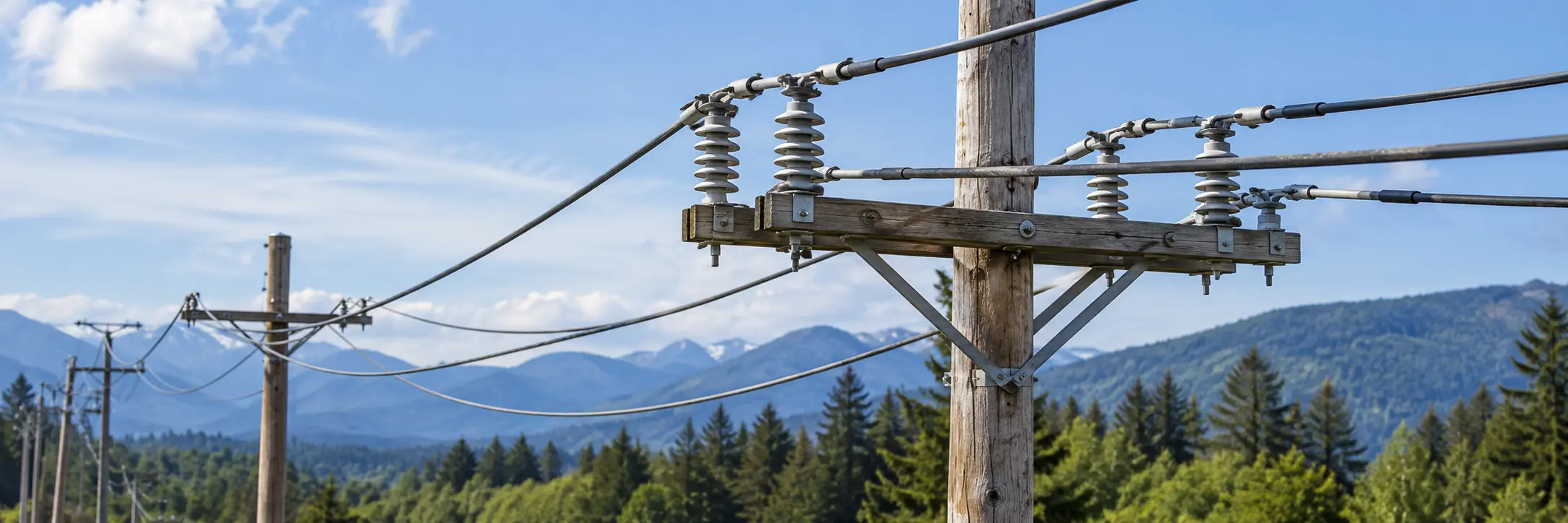
The covering on weather-proof overhead line wire is primarily there to provide additional protection from environmental conditions. Overhead conductors are exposed to conditions that indoor wire never encounters. Moisture, airborne contaminants, sunlight, changing temperatures and other outdoor conditions can all affect conductor performance over time.
A high molecular weight polyethylene, or HMWPE, covering creates a protective layer around the copper conductor. It helps isolate the conductor surface from direct environmental exposure while still allowing the wire to function as part of an overhead distribution system.
Overhead distribution weather-proof line wire may use solid or stranded copper with a black HMWPE covering where added protection from environmental exposure is needed.
Why Isn’t the Covering Considered Full Electrical Insulation?
The important difference is how the material is intended to function within the electrical system. Fully insulated conductors are designed and rated so the insulation provides a defined level of electrical isolation for the intended voltage and installation.
A covering on an overhead conductor can provide environmental protection without being intended to provide that same level of electrical isolation. That distinction affects how the conductor is installed, supported and handled.
A covered overhead conductor should therefore not automatically be treated as touch-safe simply because the copper is not visible.
Covered vs. Bare vs. Insulated Conductors
The differences are easier to see side by side.
| Conductor Type | Material Around Conductor | Primary Purpose | Should It Be Treated as Fully Insulated? |
| Bare conductor | None | Carry current in installations designed for exposed conductors | No |
| Covered overhead conductor | Protective weather-resistant covering | Reduce direct environmental exposure to the conductor | No |
| Insulated conductor | Voltage-rated insulation system | Provide electrical isolation as part of the conductor’s rated construction | Yes, within its specified rating and application |
The terminology may seem subtle, but it can have significant implications when specifying cable for a project.
Why Use Covered Copper Instead of Bare Copper?
Bare copper remains widely used in electrical systems, particularly where the installation is designed specifically for an exposed conductor. There are applications, however, where additional protection from the surrounding environment is desirable.
A protective covering can help reduce direct exposure of the conductor surface to moisture and contaminants while retaining the electrical and mechanical characteristics of copper.
That makes covered copper line wire useful when an overhead distribution design calls for additional environmental protection but does not require the construction of a fully insulated cable.
Other conductor constructions for exposed or outdoor applications can be found in the Bare Copper and Weather-Proof Wire category.
Does the Covering Change How the Line Must Be Installed?
It can affect conductor selection, but it does not eliminate the normal requirements of an overhead distribution system. Proper clearances, conductor spacing, supports and system design still matter. A polyethylene covering should not be viewed as permission to install the conductor in the same manner as fully insulated building wire or power cable.
The installation still needs to reflect the conductor’s actual construction, electrical characteristics, applicable standards and intended use.
This is one reason engineers and buyers should look beyond the appearance of the wire when comparing products.
Why Is HMWPE Used for Weather-Proof Line Wire?
High molecular weight polyethylene is well suited to outdoor conductor coverings because it combines durability with resistance to moisture and environmental exposure. For overhead distribution line wire, those properties help create a tough protective barrier around the conductor without changing the basic role of the wire within the distribution system.
The covering is therefore doing an important job, even though that job is different from the role played by the insulation on a fully insulated cable.
Does Copper Temper Still Matter When the Conductor Is Covered?
Yes. The outer covering is only one part of the conductor’s construction. The copper itself may be soft annealed, medium-hard or hard-drawn depending on the mechanical and electrical requirements of the application. Harder tempers generally provide greater mechanical strength, while softer copper provides greater flexibility and slightly different electrical characteristics. Similarly, the conductor may be solid or stranded depending on size and application.
The presence of a weather-resistant covering does not eliminate the need to choose the correct conductor construction underneath it.
The Main Point
A covered overhead conductor occupies a different category from both bare wire and fully insulated cable. Its covering provides valuable environmental protection, but that does not mean the conductor should be treated as electrically insulated in every application.
When selecting overhead distribution wire, it is important to evaluate the entire construction, including conductor material, copper temper, stranding, covering, applicable standards and the requirements of the distribution system.
That distinction can help prevent one of the easiest mistakes to make when comparing overhead wire: assuming that anything covered must also be fully insulated.
Frequently Asked Questions
It depends on the extent of the damage and the requirements of the installation.
Minor surface damage and deeper cuts should not automatically be treated the same way. If the covering has been compromised, the conductor should be evaluated against the project’s specifications, applicable standards and utility requirements before a repair method is selected. In some installations, replacement may be more appropriate than field repair.
No. The color of the covering does not by itself establish the conductor’s voltage rating.
Black polyethylene is commonly used because of its suitability for outdoor exposure, but conductor ratings must come from the product specification and applicable standards. Color should never be used as a substitute for checking the actual construction and electrical rating.
Environmental conditions should be evaluated before specifying any overhead conductor.
Salt, industrial contamination and other aggressive conditions can place additional demands on conductors, hardware and terminations. The covering may help protect the copper surface, but the entire distribution system should be evaluated for the specific environment rather than relying on the conductor covering alone.
The termination must be compatible with both the conductor and its covering.
Depending on the connector design, the covering may need to be removed or prepared before termination. Connector compatibility, conductor size, copper temper and installation instructions should all be checked so the connection makes proper electrical contact without damaging the conductor.
It should be kept clean, dry and protected from unnecessary mechanical damage.
Even though the covering is designed for outdoor service, reels or coils should still be stored carefully before installation. Avoid dragging the conductor across abrasive surfaces, crushing it beneath other materials or exposing cut ends unnecessarily. Proper storage helps preserve both the covering and the conductor until installation.