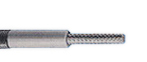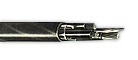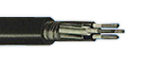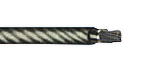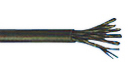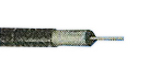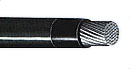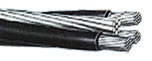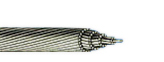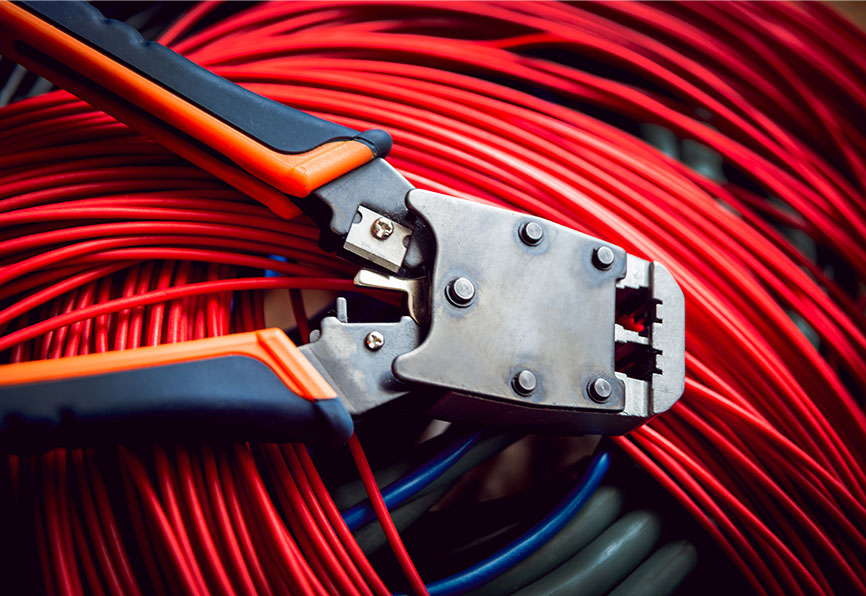
Our inventory covers virtually every electrical and electronic cable application imaginable. We maintain over 15,000 active SKUs, each engineered for performance, consistency, and compliance with UL, CSA, and RoHS standards. From heat-resistant wire to precision coaxial and multi-conductor control cable, we supply the materials that keep manufacturing, communications, and energy systems running 24/7.
At Custom Wire & Cable, every product line is backed by the same principle: deliver the best wire for the job and stand behind it. We combine deep industry knowledge with supply-chain efficiency to help clients meet tight schedules without compromising quality.
Our inventory covers virtually every electrical and electronic cable application imaginable. We maintain over 15,000 active SKUs, each engineered for performance, consistency, and compliance with UL, CSA, and RoHS standards. From heat-resistant wire to precision coaxial and multi-conductor control cable, we supply the materials that keep manufacturing, communications, and energy systems running 24/7.
Browse our full range of wire and cable products by category. Each product is clearly specified to help you quickly identify the right solution for your application.
Showing all 7 results
Array ( )
| Item # | Item Name | Size | Number Of Conductors | Nominal Jacket (inches) | Nominal O.D (inches) | Nominal Weight (lbs/MFT) | RFQ |
| 3160 | Unshielded, Non-Plenum NEC Type FPLR/CMG, FT4 Cable - PVC | 18 | 2 | 0.014 | 0.132 | 16 | Request a Quote |
| 3162 | Unshielded, Non-Plenum NEC Type FPLR/CMG, FT4 Cable - PVC | 18 | 4 | 0.014 | 0.154 | 30 | Request a Quote |
| 3170 | Unshielded, Non-Plenum NEC Type FPLR/CMG, FT4 Cable - PVC | 16 | 2 | 0.014 | 0.154 | 23 | Request a Quote |
| 3172 | Unshielded, Non-Plenum NEC Type FPLR/CMG, FT4 Cable - PVC | 16 | 4 | 0.014 | 0.18 | 44 | Request a Quote |
| 3175 | Unshielded, Non-Plenum NEC Type FPLR/CMG, FT4 Cable - PVC | 14 | 2 | 0.017 | 0.194 | 35 | Request a Quote |
| 3177 | Unshielded, Non-Plenum NEC Type FPLR/CMG, FT4 Cable - PVC | 14 | 4 | 0.017 | 0.228 | 70 | Request a Quote |
| 3180 | Unshielded, Non-Plenum NEC Type FPLR/CMG, FT4 Cable - PVC | 12 | 2 | 0.017 | 0.236 | 52 | Request a Quote |
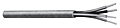
Unshielded, Non-Plenum NEC Type FPLR/CMG, FT4 Cable - PVC
Unshielded fire alarm cable is often appropriate when electromagnetic interference is not a significant concern and the fire alarm system does not specifically require shielding.
In many conventional fire alarm installations, unshielded cable provides a practical and cost-effective option for initiating devices, notification circuits and other low-voltage system wiring. Shielded cable may be preferred where circuits run near equipment or conductors that can generate electrical noise, or where the fire alarm equipment manufacturer specifically calls for shielding. The system design, installation environment and equipment requirements should determine the choice rather than assuming one construction is always better.
No. FPLR is a riser-rated fire alarm cable and should not be substituted for plenum-rated cable where a plenum rating is required.
FPLR cable is intended for vertical runs through risers and between floors in qualifying applications. Plenum spaces have more stringent flame and smoke requirements and generally require cable with the appropriate plenum designation, such as FPLP. Before ordering cable, confirm whether the pathway passes through riser, plenum or general-purpose spaces so the cable rating matches the actual installation.
The required conductor count depends on the circuit design and the equipment being connected.
Two-conductor cable is commonly used when a circuit only requires a single pair of conductors, while four-conductor cable can support applications that require two pairs within the same cable. The correct choice should come from the fire alarm system drawings, equipment documentation or project specification. Using additional conductors simply for convenience can change cable diameter, pathway fill and cost, so conductor count should be matched to the actual circuit requirement.
Yes. A larger conductor can reduce resistance and voltage drop over longer circuit runs, but conductor size should still follow the system design requirements.
In American Wire Gauge sizing, a lower AWG number indicates a larger conductor. For example, 14 AWG has greater conductor area than 18 AWG and can provide lower resistance over the same distance. This can become important on longer notification appliance or other powered circuits where excessive voltage drop could affect device operation. Circuit length, current draw, equipment voltage requirements and applicable design calculations should all be considered before changing conductor size.
It should not automatically be routed with power conductors simply because the fire alarm cable is unshielded.
Fire alarm circuits and power wiring can be subject to separation, raceway and installation requirements intended to reduce interference and maintain system integrity. Routing sensitive low-voltage circuits close to power conductors can also increase the possibility of induced electrical noise. The appropriate pathway should be determined from the system design, equipment instructions and applicable electrical and fire alarm requirements rather than relying on shielding alone to solve routing issues.
Interested in cooperation or have questions? Just fill out the form and we will call you back. Or you can contact us via: info@gmail.com