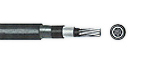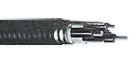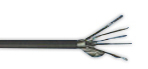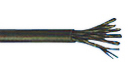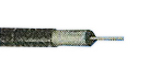
Our inventory covers virtually every electrical and electronic cable application imaginable. We maintain over 15,000 active SKUs, each engineered for performance, consistency, and compliance with UL, CSA, and RoHS standards. From heat-resistant wire to precision coaxial and multi-conductor control cable, we supply the materials that keep manufacturing, communications, and energy systems running 24/7.
At Custom Wire & Cable, every product line is backed by the same principle: deliver the best wire for the job and stand behind it. We combine deep industry knowledge with supply-chain efficiency to help clients meet tight schedules without compromising quality.
Our inventory covers virtually every electrical and electronic cable application imaginable. We maintain over 15,000 active SKUs, each engineered for performance, consistency, and compliance with UL, CSA, and RoHS standards. From heat-resistant wire to precision coaxial and multi-conductor control cable, we supply the materials that keep manufacturing, communications, and energy systems running 24/7.
Browse our full range of wire and cable products by category. Each product is clearly specified to help you quickly identify the right solution for your application.
Showing 10–10 of 10 results

Array
(
[0] => Application:
| Item # | Item Name | Size (AWG/MCM) | No. of Conductors | Strands | Nominal Insulation Thickness (inches) | Nominal Jacket Thickness (inches) | Nominal O.D. (inches) | Nominal Weight (LBS/MFT) | RFQ |
| 7520 | Multi -Conductor Rubber Cable- Braid Shield- 60°C | 20 | 20 | 26/34 | 0.020 | 0.065 | 0.570 | 280 | Request a Quote |
Construction
Conductor:
Insulation:
Shield:
Jacket:
Application:
Features:
Packaging:
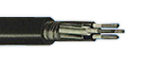
Braid-shielded multi-conductor cable is generally a better choice when multiple circuits must share one cable while requiring additional protection from electrical interference.
The braided metallic shield surrounds the insulated conductors and can help reduce the effects of electromagnetic noise on control, audio, and other low-level signals. This can be particularly useful when the cable will be routed near motors, electrical equipment, power wiring, or other potential sources of interference. The cable on this page uses an 80% tinned copper braid shield, so the required shielding performance and installation environment should be considered when selecting it for a particular system.
The correct conductor count depends on the number of separate circuits, signals, or connections that need to run through the cable.
Using one multi-conductor cable can consolidate several electrical connections into a single jacketed construction, which may simplify routing and installation. This product family provides configurations ranging from 2 through 12 conductors, allowing the cable to be matched more closely to the equipment or circuit design. When specifying a cable, conductor count should be considered along with wire size, voltage, shielding, outside diameter, and termination requirements
The 60°C designation indicates that the cable is intended for applications within its specified temperature range rather than higher-temperature environments.
This cable is listed for operation from -20°C to +60°C. Temperature rating matters because insulation and jacket materials are designed to maintain their expected electrical and physical properties within defined conditions. If the installation could expose the cable to temperatures above its rating, a different cable construction with a higher temperature capability should be considered.
Tinned copper combines copper's electrical conductivity with a protective tin coating that can be useful in demanding cable constructions.
The cable uses fully annealed stranded tinned copper conductors manufactured to ASTM B-33 as well as a tinned copper braid shield. Tin plating can help protect the underlying copper from oxidation and can also support dependable termination and soldering characteristics. The stranded conductor construction contributes to the cable's flexibility, which is especially useful where routing or equipment connections make a rigid conductor impractical.
Consider conductor count, wire size, shielding, voltage, temperature range, flexibility, cable diameter, and the electrical requirements of the connected equipment.
The same general cable construction may be useful across very different systems, so choosing by application name alone is not enough. For example, a control circuit may prioritize conductor count, flexibility, and resistance to electrical noise, while an audio interconnect may place greater emphasis on shielding and signal integrity. This product family is designed for control circuits, broadcast and studio applications, and audio interconnects, with impact and abrasion resistance and flexible conductor strands among its listed features.
Interested in cooperation or have questions? Just fill out the form and we will call you back. Or you can contact us via: info@gmail.com