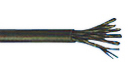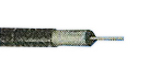
Our inventory covers virtually every electrical and electronic cable application imaginable. We maintain over 15,000 active SKUs, each engineered for performance, consistency, and compliance with UL, CSA, and RoHS standards. From heat-resistant wire to precision coaxial and multi-conductor control cable, we supply the materials that keep manufacturing, communications, and energy systems running 24/7.
At Custom Wire & Cable, every product line is backed by the same principle: deliver the best wire for the job and stand behind it. We combine deep industry knowledge with supply-chain efficiency to help clients meet tight schedules without compromising quality.
Our inventory covers virtually every electrical and electronic cable application imaginable. We maintain over 15,000 active SKUs, each engineered for performance, consistency, and compliance with UL, CSA, and RoHS standards. From heat-resistant wire to precision coaxial and multi-conductor control cable, we supply the materials that keep manufacturing, communications, and energy systems running 24/7.
Browse our full range of wire and cable products by category. Each product is clearly specified to help you quickly identify the right solution for your application.
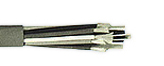
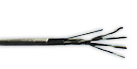
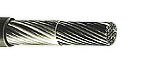
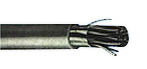
Communication cable is often selected by the signal it needs to protect, not just by conductor count or voltage. For audio, alarm, intercom, security, data, control, and equipment communication circuits, buyers may need to compare shielding type, pair or conductor layout, jacket material, temperature rating, NEC type, and whether the cable will run indoors, outdoors, underground, in riser space, or through an approved tray installation. This category helps narrow those options before requesting a quote.
Showing 37–45 of 368 results
Array
Communication cable is used to carry low-voltage signals, audio, data, alarm, intercom, security, control, and equipment communication between devices or systems. It may be used in commercial buildings, industrial facilities, studios, security systems, public address systems, fire alarm controls, computer interconnects, and other signal-based applications.
The right cable depends on the signal type, conductor count, shielding requirement, voltage rating, jacket material, installation location, and required NEC or UL designation.
Communication cable is usually selected for signal, data, audio, intercom, alarm, security, or device-to-device communication. Control cable is typically selected for control circuits, equipment commands, relays, machinery, automation, and industrial control systems.
There can be overlap because some cables support both communication and control circuits. The best choice depends on whether the main priority is signal quality, equipment control, shielding, voltage rating, installation method, or environmental durability.
Shielded communication cable should be used when signal quality may be affected by electrical noise or interference. This can matter near motors, drives, power circuits, industrial equipment, lighting systems, radio equipment, control panels, or other electronics.
Shielding may be foil, braid, spiral, individual pair shielding, or overall shielding depending on the cable construction. The best option depends on the system, signal sensitivity, cable length, and surrounding environment.
CL2, CM, CMR, and PLTC are cable designations that help identify where and how the cable may be used. CL2 is commonly associated with Class 2 low-voltage circuits. CM is a general communications cable rating. CMR is a communications riser rating. PLTC stands for power-limited tray cable and is used for certain power-limited circuits and tray cable applications.
The correct designation depends on the circuit type, installation space, voltage, building requirements, and project specification.
To choose the right communication cable, start with the system it will serve. Confirm whether it is for audio, intercom, alarm, security, data, computer interconnect, control, fire alarm, studio, broadcast, or industrial equipment communication. Then compare conductor count, paired or multi-conductor construction, shield type, voltage rating, temperature rating, jacket material, NEC type, and installation environment.
For quote requests, provide the cable type, conductor or pair count, AWG size, voltage rating, shielding requirement, required footage, application, and any UL, CSA, NEC, or project specifications.



Interested in cooperation or have questions? Just fill out the form and we will call you back. Or you can contact us via: info@gmail.com