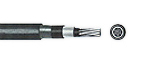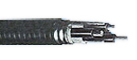
cable

Where Inventory Meets Expertise

Our inventory covers virtually every electrical and electronic cable application imaginable. We maintain over 15,000 active SKUs, each engineered for performance, consistency, and compliance with UL, CSA, and RoHS standards. From heat-resistant wire to precision coaxial and multi-conductor control cable, we supply the materials that keep manufacturing, communications, and energy systems running 24/7.

At Custom Wire & Cable, every product line is backed by the same principle: deliver the best wire for the job and stand behind it. We combine deep industry knowledge with supply-chain efficiency to help clients meet tight schedules without compromising quality.

Find the Products You Need Fast.

Our inventory covers virtually every electrical and electronic cable application imaginable. We maintain over 15,000 active SKUs, each engineered for performance, consistency, and compliance with UL, CSA, and RoHS standards. From heat-resistant wire to precision coaxial and multi-conductor control cable, we supply the materials that keep manufacturing, communications, and energy systems running 24/7.

Browse our full range of wire and cable products by category. Each product is clearly specified to help you quickly identify the right solution for your application.

Jumper Cable 5000/15000 V Red Jacket 90°C Unshielded

5kV/15kV unshielded jumper cable provides a flexible power connection for temporary high-voltage tap-off and bypass applications. Its flexible copper conductor, EPR insulation, and ozone-resistant jacket are designed for demanding electrical environments where cable handling and positioning are important. Available conductor sizes allow selection based on load, connection, and installation requirements. Explore our complete selection of mining cable for additional heavy-duty power cable options.

Showing all 6 results

Search Part Number
Jumper Cable 5000/15000 V Red Jacket 90°C Unshielded

Jumper Cable 5000/15000 V Red Jacket 90°C Unshielded

Array
(
    [0] => Application:
  • Designed as flexible power leads for use with tap-off or jumper clamps which permit temporary connectors or "By-Pass" of energized aerial lines up to and including 15000V (Phase to Phase).
[1] => :
  • Designed as flexible power leads for use with tap-off or jumper clamps which permit temporary connectors or "By-Pass" of energized aerial lines up to and including 15000V (Phase to Phase).
[2] => )
Application:
  • Designed as flexible power leads for use with tap-off or jumper clamps which permit temporary connectors or "By-Pass" of energized aerial lines up to and including 15000V (Phase to Phase).

Item # Item Name Size (AWG/MCM) Strands Nominal Insulation Thickness (inches) Nominal Jacket Thickness (inches) Nominal O.D. (inches) Current (Amps) Nominal Weight (LBS/MFT) RFQ
9315 Jumper Cable 5000/15000 V Red Jacket 90°C Unshielded 2 259 0.210 0.065 0.918 195 550 Request a Quote
9316 Jumper Cable 5000/15000 V Red Jacket 90°C Unshielded 1/0 259 0.210 0.065 0.990 259 726 Request a Quote
9317 Jumper Cable 5000/15000 V Red Jacket 90°C Unshielded 2/0 259 0.210 0.065 1.040 298 855 Request a Quote
9319 Jumper Cable 5000/15000 V Red Jacket 90°C Unshielded 4/0 259 0.210 0.065 1.180 397 1165 Request a Quote
9321 Jumper Cable 5000/15000 V Red Jacket 90°C Unshielded 350 855 0.210 0.065 1.309 540 1685 Request a Quote
9323 Jumper Cable 5000/15000 V Red Jacket 90°C Unshielded 500 1235 0.210 0.065 1.438 675 2185 Request a Quote

Construction

Description:

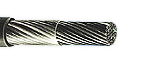
  • Bare annealed copper conductor.
  • Strand shield.
  • EPR Insulation.
  • Red ozone resistant jacket. 90° C.

Application:

  • Designed as flexible power leads for use with tap-off or jumper clamps which permit temporary connectors or "By-Pass" of energized aerial lines up to and including 15000V (Phase to Phase).

Frequently Asked Questions

No. This jumper cable is intended for temporary connections and bypass applications, not as a replacement for normal permanent high-voltage cable.

Its construction is designed around flexible temporary power leads used with jumper or tap-off clamps. Because it is unshielded, installation and positioning requirements differ from those of conventional shielded medium- or high-voltage power cable. The intended duration of service, system design, voltage, and applicable electrical requirements should all be confirmed before selecting cable for a high-voltage installation.

An unshielded jumper cable must be properly separated from grounded surfaces and other conductors to reduce electrical stress and capacitance leakage.

Unlike shielded cable, this construction does not provide an insulation shield that controls the electric field around the cable. Prolonged contact or close positioning near grounds, transformer cases, crossarms, or other conductive surfaces can therefore create undesirable electrical stress. Proper spacing and positioning are important parts of using this type of temporary jumper cable safely.

Select the conductor size based on required current capacity, connection requirements, cable length, and the physical demands of the installation.

A larger conductor may provide greater current-carrying capability, but it also increases overall cable diameter and weight. Those differences can affect handling, clamp compatibility, available working space, and how easily the temporary connection can be positioned. The electrical load and the ratings of all components used in the jumper assembly should be considered together when selecting a size.

EPR insulation provides the electrical insulation, flexibility, and environmental resistance needed for demanding high-voltage cable applications.

Ethylene propylene rubber is widely used in power cable because it combines strong dielectric properties with flexibility and resistance to heat, moisture, and ozone. For temporary jumper applications, flexibility is particularly important because the cable needs to be handled and positioned while maintaining reliable electrical insulation.

Fine stranding makes the conductor more flexible, helping large jumper cables bend and position more easily than less flexible conductor constructions.

This becomes increasingly important with the larger conductor sizes used for high-current temporary connections. Greater flexibility can make the cable easier to route, connect to compatible jumper clamps, and position around utility equipment. Conductor size, outside diameter, cable weight, and minimum bending requirements should still be considered when planning the installation.

Popular Categories

Discover our most requested cable types used across multiple industries.

What Our Client Says

quote2
quote2
Speak with a wire and cable specialist today

Interested in cooperation or have questions? Just fill out the form and we will call you back. Or you can contact us via: info@gmail.com

Can’t find what you’re looking for?

Product Enquiry